Optimizing LED Heat Sink Design for Maximum Performance and Longevity_5
LED heat sink design is crucial for maintaining optimal performance and extending the lifespan of LED lighting systems. Effective heat dissipation ensures that LEDs operate at lower temperatures, reducing thermal stress and preventing premature failure. This article explores key aspects of LED heat sink design, including materials, thermal management strategies, and optimization techniques.
1. Best materials for LED heat sinks2. Thermal management techniques for LEDs
3. How to optimize LED heat sink performance
4. Common challenges in LED heat sink design
1. Best materials for LED heat sinks
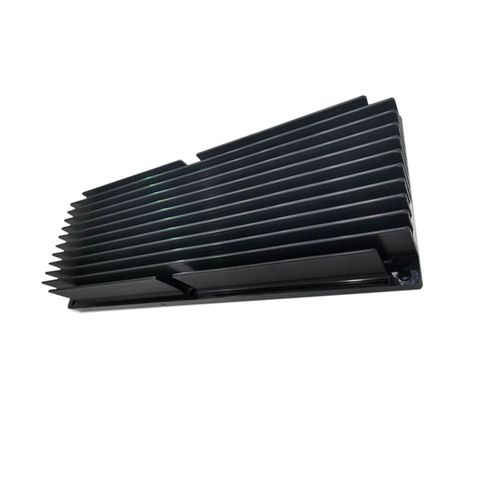
Choosing the right material for an LED heat sink is critical for effective thermal management. Aluminum is the most commonly used material due to its excellent thermal conductivity, lightweight nature, and cost-effectiveness. Copper, while more expensive, offers even better thermal performance and is often used in high-power LED applications. Other materials, such as ceramic and composite materials, are also gaining popularity for their unique properties. Ceramic heat sinks provide excellent electrical insulation, while composites can be tailored for specific thermal and mechanical requirements. When selecting a material, consider factors such as thermal conductivity, weight, cost, and environmental conditions to ensure optimal performance and longevity of your LED system.
2. Thermal management techniques for LEDs
Effective thermal management is essential for maintaining LED performance and lifespan. Passive cooling techniques, such as using heat sinks with large surface areas and fins, are commonly employed to dissipate heat naturally. Active cooling methods, like fans or liquid cooling systems, can be used for high-power LEDs or applications with limited airflow. Thermal interface materials (TIMs) are also crucial for minimizing thermal resistance between the LED and heat sink. Proper design and placement of heat sinks, along with adequate ventilation, can significantly improve thermal management. Additionally, monitoring LED junction temperatures and implementing thermal protection circuits can prevent overheating and ensure reliable operation.
3. How to optimize LED heat sink performance
Optimizing LED heat sink performance involves several key considerations. First, ensure that the heat sink has sufficient surface area and fin density to maximize heat dissipation. The design should also promote natural convection by allowing air to flow freely around the fins. Using high-quality thermal interface materials can reduce thermal resistance and improve heat transfer. Additionally, consider the orientation and placement of the heat sink to take advantage of natural airflow. Computational fluid dynamics (CFD) simulations can help identify optimal designs and configurations. Regular maintenance, such as cleaning dust and debris from the heat sink, can also maintain its efficiency over time.
4. Common challenges in LED heat sink design
Designing an effective LED heat sink comes with several challenges. One common issue is balancing thermal performance with size and weight constraints, especially in compact or portable applications. Another challenge is ensuring uniform heat distribution across the LED array to prevent hot spots. Environmental factors, such as humidity and dust, can also impact heat sink performance and longevity. Cost is another consideration, as high-performance materials and complex designs can be expensive. Addressing these challenges requires a thorough understanding of thermal dynamics, material properties, and application-specific requirements. By carefully evaluating these factors, designers can create heat sinks that meet performance and reliability goals.
LED heat sink design plays a pivotal role in the performance and durability of LED lighting systems. From selecting the right materials to implementing effective thermal management techniques, every aspect of the design process matters. Whether you're dealing with high-power LEDs or compact lighting solutions, understanding the principles of heat dissipation and optimization can make a significant difference. By addressing common challenges and leveraging advanced design tools, you can create heat sinks that ensure optimal LED performance and longevity. Explore the topics above to deepen your knowledge and make informed decisions for your next LED project.