Optimizing LED Heat Sink Design for Maximum Thermal Performance_91
LED heat sink design plays a crucial role in maintaining optimal performance and longevity of LED lighting systems by effectively dissipating heat generated during operation.
1. Best materials for LED heat sinks2. Thermal resistance in LED cooling
3. Passive vs active LED heat sinks
1. Best materials for LED heat sinks
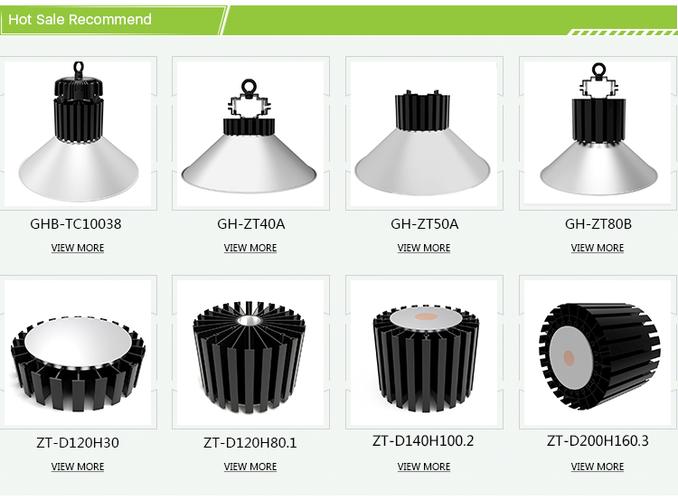
When selecting materials for LED heat sinks, aluminum alloys are the most popular choice due to their excellent thermal conductivity (200-250 W/mK) and lightweight properties. Aluminum 6063 is particularly favored for its balance of thermal performance and machinability. Copper offers even better thermal conductivity (385 W/mK) but is heavier and more expensive, making it suitable for high-power applications where space is limited. Composite materials like aluminum-graphite are gaining popularity for their directional heat transfer capabilities. The material selection must consider factors like thermal conductivity, weight, cost, and manufacturing feasibility to achieve optimal heat dissipation while meeting application requirements.
2. Thermal resistance in LED cooling
Thermal resistance is a critical parameter in LED heat sink design, measured in °C/W, which indicates how effectively heat can transfer from the LED junction to the environment. Lower thermal resistance values signify better cooling performance. The total thermal resistance in an LED system includes junction-to-case, case-to-sink, and sink-to-ambient resistances. Designers must minimize each component through proper material selection, surface finishing (anodization improves radiation), and interface materials (thermal pads or pastes). Typical LED heat sinks have thermal resistances between 0.5-5°C/W depending on size and design. Computational fluid dynamics (CFD) simulations help optimize this parameter before manufacturing.
3. Passive vs active LED heat sinks
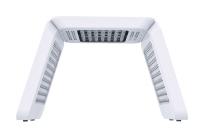
Passive heat sinks rely solely on natural convection and radiation, featuring extended surfaces (fins) to maximize surface area without moving parts. They're maintenance-free but limited in cooling capacity (typically <50W). Active heat sinks incorporate fans or liquid cooling for higher heat fluxes (>50W), offering superior performance in confined spaces but requiring power and maintenance. The choice depends on application constraints: passive for reliability in outdoor/industrial settings, active when space is limited or heat loads are high. Hybrid systems combine both approaches, using passive designs with occasional active cooling during peak loads. Recent innovations include phase-change materials and heat pipes for enhanced passive cooling efficiency.
Effective LED heat sink design requires balancing multiple factors: material properties, thermal resistance, cooling method, and application requirements. Whether you're working with high-power industrial LEDs or compact consumer lighting, understanding these key aspects - from aluminum alloys to thermal interface materials, from passive fin designs to active cooling solutions - will help you create lighting systems that maintain optimal temperatures for maximum efficiency and lifespan. The right heat sink solution can dramatically improve LED performance while reducing energy costs and maintenance requirements.
In conclusion, proper LED heat sink design is essential for maintaining LED performance and longevity. By carefully considering material selection, thermal resistance management, and appropriate cooling methods (passive or active), engineers can create efficient thermal management solutions tailored to specific application needs. The insights provided in this article cover fundamental aspects that will help you make informed decisions when designing or selecting LED heat sinks for your lighting projects.