Optimizing LED Heat Sink Design for Performance and Longevity_26
Optimizing LED Heat Sink Design for Performance and Longevity
Effective thermal management through proper LED heat sink design has become crucial in global lighting projects. International buyers face challenges in balancing cost, performance, and reliability when sourcing cooling solutions for high-power LED applications.
Understanding LED Heat Sink Fundamentals
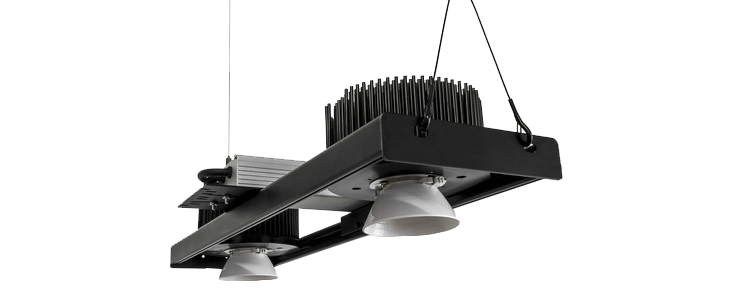
LED heat sinks are passive cooling devices that dissipate heat from LED modules through conduction, convection, and radiation. Key technical specifications include:
- Thermal resistance (℃/W)
- Base thickness and fin geometry
- Material thermal conductivity
International standards such as IES LM-80 and ANSI/UL 1598 govern performance testing.
Material Comparison for LED Cooling
| Material | Thermal Conductivity (W/mK) | Cost | Best For |
|---|---|---|---|
| Aluminum | 205 | $$ | Most commercial applications |
| Copper | 401 | $$$ | High-performance systems |
| Thermal Plastics | 5-20 | $ | Low-power decorative lighting |
Cost-Efficiency Advantages
Proper heat sink design delivers measurable benefits:
- Extends LED lifespan by 30-50% (DOE studies show)
- Reduces lumen depreciation by maintaining optimal junction temperature
- Lowers total ownership costs through energy savings
Global Market Insights
The LED heat sink market will grow at 6.8% CAGR through 2028 (Grand View Research). Emerging trends include:
- Increased demand for die-cast aluminum designs in Asia-Pacific
- Growth of modular heat sink systems in Europe
- Adoption of hybrid cooling solutions in North America
Certification Requirements
Reputable manufacturers should hold:
- ISO 9001:2015 quality management
- RoHS compliance
- REACH certification
- UL listing for safety
Supplier Evaluation Checklist
When auditing LED heat sink suppliers:
- Verify material certificates
- Request thermal simulation reports
- Inspect production facilities
- Review client references
- Confirm MOQ flexibility
FAQ
How to negotiate better pricing for bulk orders?
Consider annual volume commitments and request tiered pricing. Many factories offer 5-15% discounts for orders exceeding 10,000 units.
What are typical MOQs for custom designs?
Standard MOQs range from 500-2,000 pieces for extruded aluminum designs, while die-cast solutions may require 5,000+ units.
Can I get customized fin configurations?
Yes, leading manufacturers offer CAD-based customization for fin density, height, and shape to match specific thermal requirements.
Do suppliers handle international shipping?
Most established vendors provide EXW, FOB, or DDP terms with preferred freight forwarders for global delivery.
What warranty periods are standard?
Quality heat sinks typically carry 2-5 year warranties against material defects and performance failures.
What payment terms are safest?
30% deposit with 70% balance before shipment is common. For new suppliers, consider using letter of credit (L/C) payment.
Conclusion
Strategic LED heat sink selection significantly impacts project success. Download our free thermal design guide or schedule a consultation with our engineering team.