Optimizing LED Heat Sink Design for Maximum Performance and Longevity_21
Optimizing LED Heat Sink Design for Maximum Performance and Longevity
Introduction
Effective LED heat sink design is crucial for maintaining optimal performance and extending the lifespan of LED lighting systems. As LEDs continue to revolutionize the lighting industry with their energy efficiency and durability, proper thermal management remains a critical challenge. This article explores the fundamentals of LED heat sink design, its importance in thermal regulation, and how innovative solutions can significantly improve your lighting applications.
The Fundamentals of LED Heat Sink Design
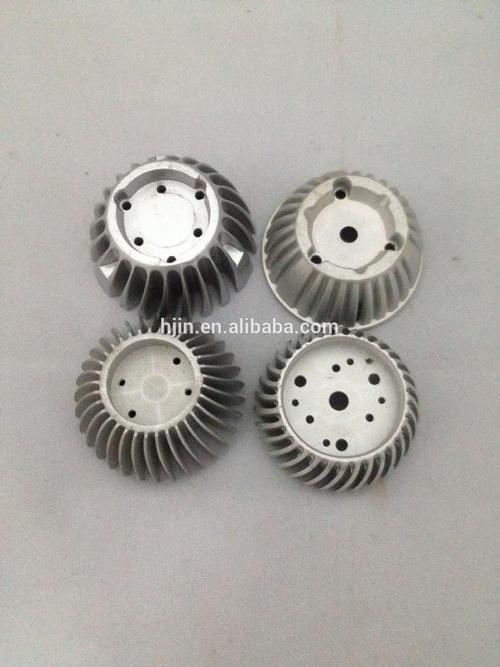
LED heat sink design refers to the engineering process of creating components that effectively dissipate heat generated by LED modules. Unlike traditional lighting, LEDs convert about 70-80% of electrical energy into heat rather than light. A well-designed heat sink typically consists of a base that contacts the LED and fins that increase surface area for better heat dissipation. The most common materials used are aluminum alloys due to their excellent thermal conductivity and lightweight properties.
Why Proper Heat Sink Design Matters
Quality LED heat sink design directly impacts several performance factors. First, it prevents thermal runaway, where increasing temperature leads to higher current draw and even more heat generation. Second, it maintains consistent light output by keeping the LED junction temperature within optimal ranges. For every 10°C reduction in operating temperature, LED lifespan can potentially double. Proper thermal management also ensures color stability and maintains the manufacturer's specified lumen output over time.
Key Applications of Advanced Heat Sinks
High-performance LED heat sink design finds applications across various industries. In architectural lighting, large heat sinks enable powerful LED fixtures to maintain brightness in challenging environments. Automotive LED headlights require compact yet efficient cooling solutions. Industrial lighting applications benefit from rugged heat sink designs that withstand harsh conditions while providing reliable thermal management. Even consumer electronics like LED TVs and computer monitors incorporate sophisticated heat dissipation systems.
Choosing the Right Heat Sink for Your Needs
Selecting the appropriate LED heat sink design involves considering multiple factors. Thermal resistance, measured in °C/W, indicates how effectively a heat sink transfers heat. The size and weight must match the application requirements. Surface treatment options like anodizing can improve both thermal performance and corrosion resistance. For high-power LEDs, active cooling solutions combining heat sinks with fans might be necessary. Always consult with thermal engineering specialists to ensure optimal performance.
Industry Trends and Future Developments
The LED heat sink design field continues to evolve with new materials and manufacturing techniques. Graphene-enhanced composites show promise for ultra-thin, high-performance heat sinks. Additive manufacturing enables complex geometries previously impossible with traditional methods. Phase-change materials are being explored for their ability to absorb and release heat at constant temperatures. As LED technology advances toward higher power densities, innovative thermal solutions will become even more critical.
FAQs About LED Heat Sink Design
Q: How does heat affect LED performance?
A: Excessive heat reduces light output, alters color temperature, and significantly shortens lifespan.
Q: What's the difference between passive and active cooling?
A: Passive cooling relies solely on heat sink design, while active cooling incorporates fans or liquid systems.
Q: Can I use any metal for a heat sink?
A: Aluminum is preferred for its balance of thermal conductivity, weight, and cost. Copper offers better conductivity but is heavier and more expensive.
Q: How do I calculate the required heat sink size?
A: Consider LED wattage, ambient temperature, maximum allowed junction temperature, and the heat sink's thermal resistance.
Q: What maintenance do LED heat sinks require?
A: Regular cleaning to remove dust buildup is typically sufficient for maintaining performance.
Conclusion
Investing in proper LED heat sink design pays dividends through improved performance, longer lifespan, and consistent light quality. As LED technology continues to advance, thermal management solutions must keep pace. For professional guidance on selecting or customizing heat sinks for your specific application, contact our team of thermal engineering experts today.