Optimizing LED Heat Sink Design for Maximum Thermal Efficiency_19
LED heat sink design plays a crucial role in maintaining optimal operating temperatures for LED lighting systems, ensuring longevity and consistent performance. Proper thermal management through effective heat sink design prevents overheating and extends the lifespan of LED components.
1. Best materials for LED heat sinks2. Thermal resistance in LED cooling
3. Passive vs active LED heat sinks
1. Best materials for LED heat sinks
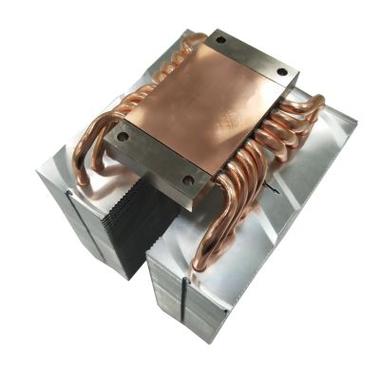
When selecting materials for LED heat sinks, thermal conductivity is the primary consideration. Aluminum alloys are the most popular choice due to their excellent thermal conductivity (150-180 W/mK), lightweight properties, and cost-effectiveness. Copper offers even better thermal performance (385 W/mK) but is heavier and more expensive. Advanced composite materials like graphite and ceramic-filled polymers are gaining popularity for specialized applications. The material choice significantly impacts the heat sink's performance, weight, and manufacturing cost. Designers must balance thermal requirements with mechanical constraints and budget considerations to select the optimal material for each application.
2. Thermal resistance in LED cooling
Thermal resistance is a critical parameter in LED heat sink design, measuring how effectively heat transfers from the LED junction to the environment. Lower thermal resistance values indicate better cooling performance. The total thermal resistance path includes the LED package, thermal interface material, heat sink base, and fins. Designers can reduce thermal resistance by increasing surface area, improving contact between components, and optimizing airflow. Computational fluid dynamics (CFD) simulations help predict thermal resistance and optimize designs before manufacturing. Proper calculation and minimization of thermal resistance ensure LEDs operate within safe temperature limits for maximum efficiency and lifespan.
3. Passive vs active LED heat sinks
Passive heat sinks rely on natural convection and radiation for cooling, requiring no moving parts or external power. They are silent, reliable, and maintenance-free but have limited cooling capacity. Active heat sinks incorporate fans or other forced convection methods, offering higher cooling performance in compact spaces. The choice between passive and active cooling depends on the LED's power density, ambient conditions, and application requirements. Passive solutions are preferred for most commercial LED lighting, while active cooling is reserved for high-power or space-constrained applications. Recent advancements in passive heat sink design, including advanced fin geometries and phase-change materials, continue to expand their capabilities.
Effective LED heat sink design requires careful consideration of multiple factors including material selection, thermal resistance management, and cooling method choice. By understanding these key aspects of heat sink technology, engineers can create optimized thermal solutions that maximize LED performance and reliability. Whether designing for commercial lighting, automotive applications, or industrial systems, proper thermal management through well-designed heat sinks remains essential for unlocking the full potential of LED technology.
In conclusion, mastering LED heat sink design is essential for anyone working with high-performance LED systems. From material science to thermal engineering principles, each aspect contributes to creating efficient, reliable cooling solutions. By implementing the best practices discussed in this article, you can significantly improve your LED applications' thermal performance and operational lifespan.