LED heat sink design: Ultimate Guide to LED Heat Management Solutions_52
LED heat management is crucial for maintaining optimal performance and extending the lifespan of LED lighting systems. Effective thermal management prevents overheating, ensuring consistent brightness and efficiency.
1. LED heat sink design2. Thermal management for LED lights
3. Best materials for LED cooling
4. LED thermal paste application
1. LED heat sink design
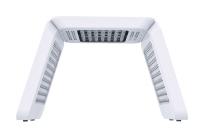
LED heat sink design plays a pivotal role in managing thermal performance. Heat sinks are typically made from aluminum or copper due to their excellent thermal conductivity. The design includes fins to increase surface area, allowing better heat dissipation. Passive heat sinks rely on natural convection, while active designs incorporate fans for enhanced cooling. Proper heat sink design can reduce LED junction temperature by up to 30%, significantly improving lifespan. Engineers must consider factors like thermal resistance, ambient temperature, and power density when designing heat sinks for LED applications. Advanced computational fluid dynamics (CFD) simulations help optimize heat sink designs before manufacturing.
2. Thermal management for LED lights
Thermal management for LED lights involves multiple strategies to maintain optimal operating temperatures. Beyond heat sinks, techniques include thermal interface materials, heat pipes, and phase change materials. Proper PCB design with thermal vias helps conduct heat away from LED chips. Ambient temperature monitoring and thermal protection circuits prevent catastrophic failures. High-power LEDs require more sophisticated cooling solutions, sometimes incorporating liquid cooling systems. The goal is to keep the junction temperature below manufacturer specifications, typically around 85°C. Effective thermal management can double or triple an LED's operational life while maintaining color consistency and luminous efficacy throughout its lifespan.
3. Best materials for LED cooling
The best materials for LED cooling combine high thermal conductivity with lightweight properties. Aluminum alloys (6061 and 6063) are most common due to their balance of performance and cost. Copper offers superior conductivity but is heavier and more expensive. Ceramic materials like aluminum nitride provide excellent insulation and heat transfer. Graphene-enhanced materials are emerging as next-generation solutions. Thermal interface materials (TIMs), including greases, pads, and phase change materials, fill microscopic gaps between components. For high-power applications, vapor chambers and heat pipes efficiently spread heat. Material selection depends on application requirements, with factors like weight, cost, and environmental conditions influencing the decision.
4. LED thermal paste application
LED thermal paste application is critical for optimal heat transfer between components. The paste fills microscopic imperfections between surfaces, eliminating air gaps that insulate heat. Proper application requires cleaning surfaces with isopropyl alcohol, applying a pea-sized amount, and evenly spreading it without over-application. Silicone-based pastes are common, while metal-based variants offer higher conductivity. The optimal thickness is typically 0.1-0.2mm - too thick creates insulation, too thin leaves gaps. Curing time varies by product but generally takes 50-200 hours of operation. Reapplication may be necessary after several years as paste dries out. Professional installations often use precision dispensing systems for consistent, repeatable applications in mass production environments.
Effective LED heat management combines multiple strategies for optimal results. From advanced heat sink designs to innovative cooling materials and precise thermal paste applications, each element contributes to system longevity. Understanding these thermal management techniques helps engineers design more reliable LED systems. Whether working with high-power industrial lighting or precision electronic displays, proper heat dissipation ensures consistent performance. The right combination of passive and active cooling methods can significantly extend product lifecycles while maintaining energy efficiency. Explore these solutions to enhance your LED applications' thermal performance and reliability.
In conclusion, LED heat management is essential for maximizing performance and lifespan. By implementing proper heat sink designs, thermal materials, and cooling techniques, you can significantly improve your LED systems' efficiency and durability. This comprehensive guide covers all critical aspects of thermal management for modern LED applications.