
HIFU Device Ultimate Guide 2024: How to Choose the Best Non-Surgical Face Lift Machine_81
The Complete Guide to HIFU Devices: Your 2024 Buying Handbook
The global HIFU market is projected to reach $1.2 billion by 2027, growing at 13.8% CAGR according to Grand View Research. As demand for non-surgical cosmetic treatments surges, professionals and consumers alike face critical decisions when selecting HIFU equipment. This comprehensive guide addresses the key pain points: confusing technical specifications, safety concerns, and overwhelming product choices.
HIFU Buying Guide: 7 Critical Factors
When evaluating HIFU devices for sale, consider these essential elements:
| Feature | Professional Grade | Home Use |
|---|---|---|
| Frequency Range | 4-7 MHz | 1-3 MHz |
| Depth Penetration | 4.5mm-13mm | 1.5mm-3mm |
7 Must-Check Features for Medical Grade HIFU Machines
- FDA 510(k) clearance or CE certification
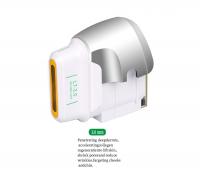
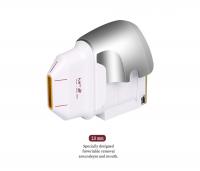
- Adjustable transducer depth settings
- Real-time temperature monitoring
Technical Deep Dive: How HIFU Works
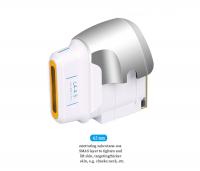
The science behind high-intensity focused ultrasound involves precise energy delivery to subcutaneous layers. Our diagram illustrates how 65-70°C thermal zones stimulate collagen production without damaging epidermis.
Manufacturing Standards Comparison
- ISO 13485 certified facilities
- Class II medical device requirements
- GMP compliance
Industry Trends: Regional Demand Analysis
North America dominates 38% market share (Statista 2023), while Southeast Asia shows fastest growth at 19% annually. New EU MDR regulations require upgraded technical documentation for 2024 shipments.
FAQ Section
Q: Can HIFU treat double chin?
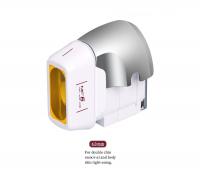
A: Yes, when using 2.0mm transducers at 7MHz frequency. Most devices include specialized attachments.
Q: What certifications are mandatory?
A: FDA clearance for US, CE for Europe, KFDA for South Korea. Always request test reports.