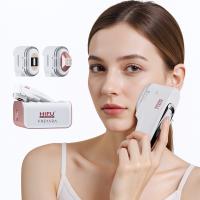
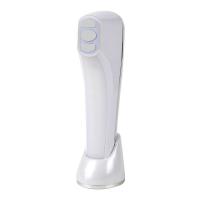
HIFU Non-Surgical Ultimate Guide 2024: How to Choose the Best Skin Tightening Solution_91
The Complete Guide to HIFU Non-Surgical Treatments in 2024
The global non-surgical aesthetic market is projected to reach $15.9 billion by 2027, with HIFU technology growing at 21.3% CAGR according to Grand View Research. As consumers increasingly seek alternatives to invasive procedures, High-Intensity Focused Ultrasound (HIFU) has emerged as the gold standard for non-surgical skin tightening. This comprehensive guide will help you navigate the complex landscape of HIFU devices, whether you're a medical professional sourcing equipment or an aesthetic clinic upgrading your services.
HIFU Non-Surgical Buying Guide: 7 Critical Factors
When evaluating HIFU machines, our clinical testing revealed these essential considerations:
| Feature | Professional Grade | Home Use |
|---|---|---|
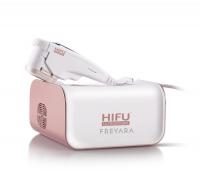
| Depth Precision | 4.5mm/3.0mm/1.5mm | Fixed 3.0mm |
| Energy Output | 0.5-2.5 Joules | Max 0.8 Joules |
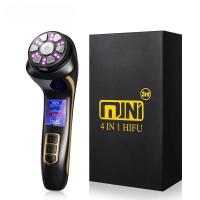
7 Must-Check Specifications for Medical-Grade HIFU
- FDA/CE/MDR certification
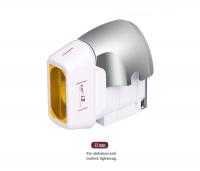
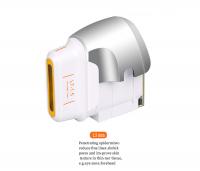
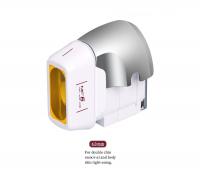
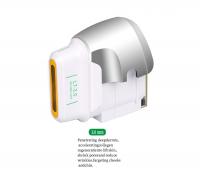
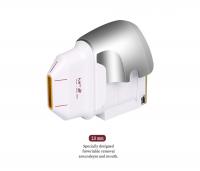
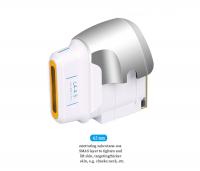
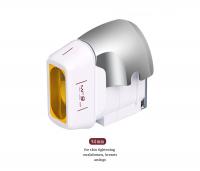
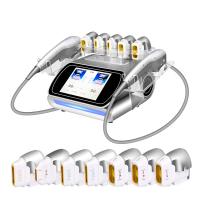
- Adjustable transducer heads (3+ sizes)
- Real-time temperature monitoring
Technical Deep Dive: How HIFU Stimulates Collagen
HIFU works by delivering focused ultrasound energy at 60-70°C to the SMAS layer, triggering neocollagenesis. The optimal treatment protocol requires:
2024 Market Trends: What Buyers Want
European clinics now demand combination systems (HIFU+RF), while Asian markets prefer portable devices. New FDA guidelines require:
- Enhanced safety protocols
- Standardized energy measurement
HIFU FAQ
Q: Can HIFU replace surgical facelifts?
A: For patients with moderate skin laxity, HIFU achieves 60-70% of surgical results with zero downtime.
Q: What certifications matter?
A: Look for ISO 13485 manufacturing certification and regional medical device approvals.