
HIFU Ultimate Guide 2024: How to Choose the Best Non-Invasive Skin Tightening Device_34
HIFU Ultimate Guide 2024: How to Choose the Best Non-Invasive Skin Tightening Device
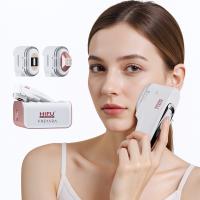
The global HIFU market is projected to reach $1.2 billion by 2027, growing at 13.5% CAGR according to Grand View Research. As consumers increasingly seek non-surgical alternatives to facelifts, High-Intensity Focused Ultrasound (HIFU) technology has emerged as the gold standard for collagen stimulation. This comprehensive guide will help you navigate the complex landscape of HIFU devices, whether you're a medical professional sourcing equipment or an aesthetic clinic upgrading your service menu.
The Complete HIFU Buying Guide
When evaluating HIFU machines, these 7 critical factors separate professional-grade devices from inferior alternatives:
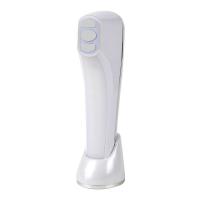
| Feature | Professional HIFU | Consumer HIFU |
|---|---|---|
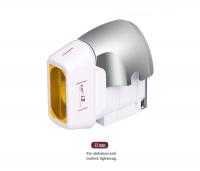
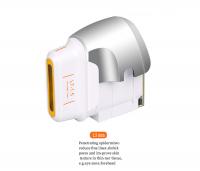
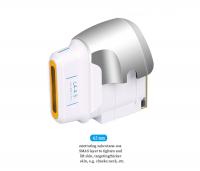
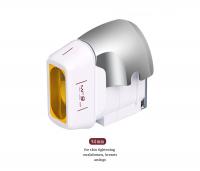
| Depth Precision | 4.5mm/3.0mm/1.5mm | Fixed 3.0mm |
| Energy Output | 0.5-2.0 Joules | Max 0.8 Joules |
7 Must-Check Specifications for Medical-Grade HIFU
- FDA 510(k) or CE Class IIa certification
- Adjustable transducer frequencies (2MHz/3MHz/4MHz)
- Real-time temperature monitoring
HIFU Technology Deep Dive
Modern HIFU systems utilize focused ultrasound waves at 65-75°C to create precise thermal coagulation points at three skin layers:

The treatment triggers neocollagenesis through controlled micro-injuries, with visible results appearing after 3 months as new collagen matures. Clinical studies show 82% patient satisfaction rates for jawline definition improvement.
2024 HIFU Industry Trends
European markets now require HIFU devices to meet new MDR 2017/745 standards, while Asian consumers prefer combination systems with RF and cryotherapy functions. The U.S. FDA recently approved 10 new HIFU indications including improved protocols for neck rejuvenation.
HIFU FAQ
Q: How painful is HIFU treatment?
A: Most patients describe the sensation as brief, deep warmth with occasional prickling. Modern systems incorporate vibration anesthesia to improve comfort.
Q: What's the difference between Korean and American HIFU systems?
A: Korean devices typically operate at higher frequencies (4-7MHz) for superficial treatments, while U.S. systems emphasize deeper tissue penetration at 2-3MHz.
-200x200.jpg "Top 5 Benefits of High-Quality LED Heat Sink Aluminum for Industrial Applications_47")