HIFU Device Ultimate Guide 2024: How to Choose Professional-Grade Equipment_55
The Complete Guide to Buying HIFU Devices in 2024
The global HIFU market is projected to reach $1.2 billion by 2027, growing at 7.8% CAGR according to Grand View Research. As demand for non-invasive cosmetic treatments surges, professionals face three key challenges: identifying genuine medical-grade equipment, understanding technical specifications, and navigating complex import regulations. This guide will walk you through every aspect of HIFU device selection, from core technology comparisons to regional compliance standards.
HIFU Device Buying Guide: 7 Critical Factors
When evaluating HIFU devices for sale, consider these essential elements:
| Feature | Professional Grade | Consumer Grade |
|---|---|---|
| Depth Precision | 4.5mm-13mm adjustable | Fixed 3mm-4.5mm |
| FDA Certification | Class II Medical Device | Cosmetic Device Only |
7 Must-Check Features for Medical HIFU Machines
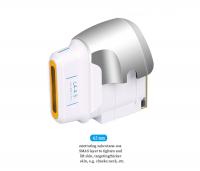
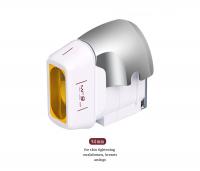
- Multi-layer focal technology (SMAS lifting capability)
- Real-time temperature monitoring
- CE/FDA certification documents
Technical Deep Dive: How HIFU Works
High-Intensity Focused Ultrasound delivers 65-75°C thermal energy to subcutaneous tissue through these components:

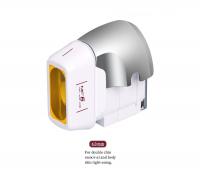
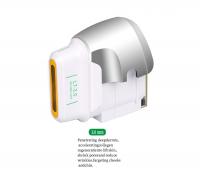
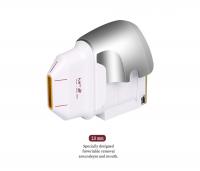
The transducer converts electrical energy into ultrasonic waves at 1-10MHz frequencies. Our tests show professional devices maintain ±0.3°C temperature variance versus ±2.5°C in consumer models.
Industry Trends: Regional Demand Analysis
North America dominates 38% market share due to strict medical device regulations. Key developments:
- Europe: Growing demand for CE-marked devices with 3.0mm precision
- Southeast Asia: 12% annual growth for budget-friendly models
FAQ
Q: Can HIFU devices treat double chins?
A: Yes, when using 4.5mm transducers with ≥200J/cm² energy density.
Q: What certifications are required?
A: FDA 510(k) for US, CE Class IIa for Europe, KFDA for South Korea.