Medical Grade Skin Device Ultimate Guide 2024: How to Choose Professional Dermatology Equipment_53
Medical Grade Skin Device Ultimate Guide 2024
The global medical aesthetic devices market is projected to reach $28.2 billion by 2027, growing at 11.3% CAGR according to Grand View Research. As demand for professional dermatology equipment surges, practitioners face critical challenges in distinguishing true medical-grade devices from cosmetic alternatives. This comprehensive guide will analyze key selection criteria, technical specifications, and emerging trends to help medical professionals make informed purchasing decisions.
Medical Grade Skin Device Buying Guide
When evaluating professional dermatology equipment, consider these essential factors:
| Feature | Medical Grade | Cosmetic Grade |
|---|---|---|
| Regulatory Approval | FDA Class II | No medical clearance |
| Clinical Efficacy | Peer-reviewed studies | Limited evidence |
| Safety Protocols | ISO 13485 certified | Basic safety standards |
7 Must-Check Features for FDA-Approved Skin Devices
- 510(k) clearance documentation
- Adjustable energy settings
- Integrated cooling systems
- Clinical treatment protocols
- Manufacturer training programs
- Multi-lingual user manuals
- 3-year minimum warranty
Technical Specifications Breakdown
Understanding these key parameters ensures optimal device performance:
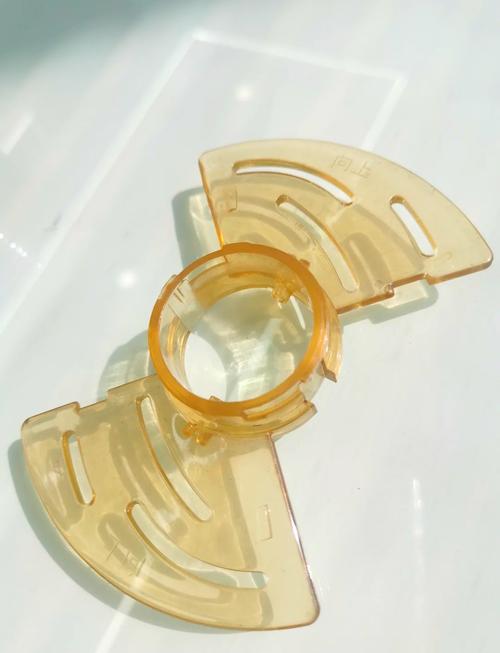
How Medical Grade RF Devices Work
Radiofrequency skin devices utilize bipolar technology with:
- 0.5-10 MHz frequency range
- Temperature monitoring sensors
- Automatic impedance adjustment
Industry Trends 2024
The European market shows 14% annual growth for non-invasive devices, while Southeast Asia demonstrates particular demand for pigmentation treatments. New IEC 60601-2-10 standards will require enhanced electrical safety features by Q3 2024.
FAQ
Can medical devices treat rosacea?
FDA-cleared intense pulsed light (IPL) systems with specific filters are clinically proven for rosacea management.
What certifications are required?
Look for CE Mark, Health Canada license, and TGA approval for international markets.
Import considerations?
Medical devices typically require special customs codes (HS 9018.90) and may need local distributor registration.