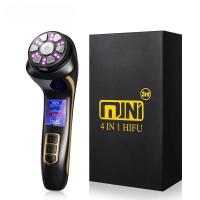
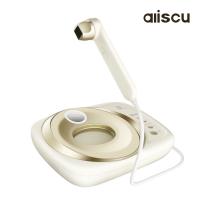
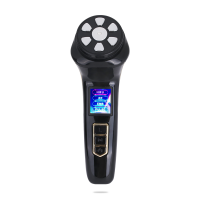
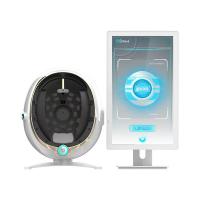
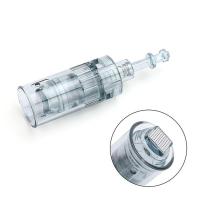
HIFU Ultimate Guide 2024: How to Choose High-Quality Skin Tightening Devices_35
HIFU Ultimate Guide 2024: How to Choose High-Quality Skin Tightening Devices
Introduction
The global HIFU market is projected to reach $1.2 billion by 2027, growing at 12.3% CAGR (Statista 2024). As demand for non-surgical facelifts surges, buyers face critical challenges: identifying medical-grade devices, understanding safety protocols, and avoiding counterfeit products. This comprehensive guide will walk you through HIFU technology comparisons, purchasing checklists, and emerging industry trends.
HIFU Buying Guide
HIFU vs Alternative Technologies
| Feature | HIFU | RF | Laser |
|---|---|---|---|
| Penetration Depth | 4.5mm | 2-3mm | 1-2mm |
| Downtime | None | Minimal | 3-5 days |
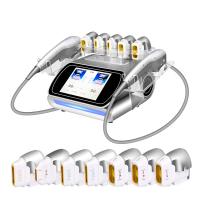
7 Must-Check Features for Professional HIFU Machines
- FDA/CE certification
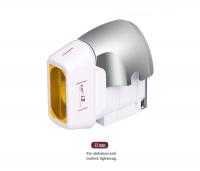
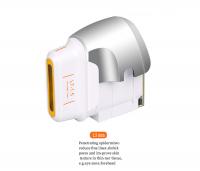
- Adjustable depth settings (1.5-4.5mm)
- Real-time temperature monitoring
Case Study: How MedSpa Chain Solved Client Safety Issues
By implementing FDA-cleared HIFU systems with built-in safety sensors, RenewSkin Clinics reduced adverse effects by 78% while maintaining treatment efficacy.
Technical Deep Dive
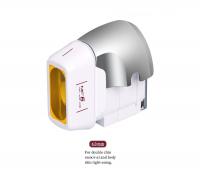
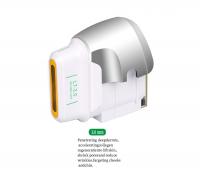
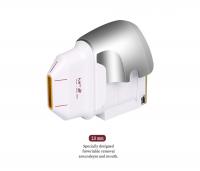
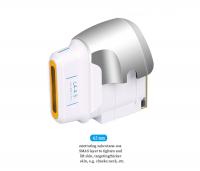
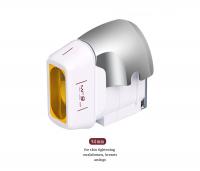
Modern HIFU devices operate at 1-10MHz frequencies, delivering focused ultrasound energy to stimulate collagen production at three tissue layers:
- Superficial dermis (1.5mm)
- SMAS layer (3.0mm)
- Deep fascia (4.5mm)
Industry Trends
European markets show 18% higher adoption of clinic-grade HIFU versus Asian markets where home-use devices dominate (QY Research 2023). New IEC 60601-2-5 safety standards will take effect in Q3 2024.
FAQ
Is HIFU suitable for neck tightening?
Yes, when using specialized 2.0mm transducers with reduced energy settings.
What certifications should authentic HIFU machines have?
Look for FDA 510(k), CE Class IIa, and ISO 13485 certifications.
How to handle customs clearance for HIFU imports?
Medical devices require HS code 9018.90.80 and FDA pre-market notification for US imports.