Skin Whitening Machine Ultimate Guide 2024: How to Choose the Best Professional Equipment_21
The Growing Demand for Skin Whitening Technology
The global skin whitening machine market is projected to reach $8.9 billion by 2027, growing at 6.2% CAGR according to Grand View Research. As consumers increasingly seek non-invasive solutions for hyperpigmentation and uneven skin tone, professional-grade whitening equipment has become essential for dermatology clinics and beauty salons worldwide.
This comprehensive guide will help you navigate the complex landscape of skin whitening technology. We'll compare different machine types, analyze key technical specifications, and provide actionable purchasing advice for both professional and home use devices.
Skin Whitening Machine Buying Guide
When investing in skin whitening equipment, consider these critical factors:
| Feature | Professional Grade | Home Use |
|---|---|---|
| Technology | Q-switched laser/IPL/RF | LED/Low-power IPL |
| Treatment Depth | Dermal layer | Epidermal layer |
| Safety Certifications | FDA Class II/CE Medical | FDA Class I |
7 Must-Check Features for Professional Skin Whitening Machines
- FDA 510(k) clearance for melanin reduction
- Adjustable wavelength settings (532nm-1064nm)
- Integrated cooling system
- Spot size diameter ≥8mm
- Minimum 500,000 pulse lifespan
- Dual safety mechanisms
- Manufacturer training program
Technical Specifications Explained
Modern skin whitening machines utilize three primary technologies:

1. Q-Switched Lasers: Deliver nanosecond pulses to shatter melanin particles without thermal damage. Ideal for stubborn pigmentation with 1064nm wavelength penetrating deepest.
2. Intense Pulsed Light (IPL): Broad-spectrum light targets multiple chromophores. Requires precise filters (515-755nm) for safe whitening applications.
3. Radiofrequency (RF): Heats dermal layer to stimulate collagen while reducing melanin production. Often combined with other modalities.
Industry Trends and Regional Preferences
The Asia-Pacific region dominates market share (58%) due to cultural preferences for lighter skin tones. However, European demand is growing fastest (8.1% CAGR) for medical-grade devices treating melasma and sun damage.
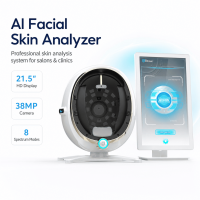
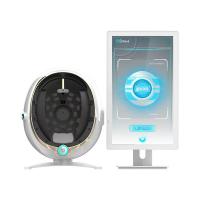
New regulations in 2024 require mercury-free operation and energy efficiency certifications. Leading manufacturers are developing AI-powered skin analysis systems that automatically adjust treatment parameters.
Frequently Asked Questions
Q: Can skin whitening machines treat dark underarms?
A: Yes, but requires specialized handpieces and lower fluence settings for sensitive areas.
Q: What certifications should I verify?
A: For US imports, confirm FDA 510(k) number. EU requires CE Medical Device Directive 93/42/EEC compliance.
Q: How to clear customs for laser equipment?
A: Provide laser classification report (typically Class IV), FDA approval documents, and manufacturer's declaration of conformity.