Skin Whitening Machine Ultimate Guide 2024: How to Choose the Best Professional Device_15
The Complete Guide to Skin Whitening Machines in 2024
The global skin lightening market is projected to reach $11.8 billion by 2026, growing at 6.3% CAGR according to Allied Market Research. As demand rises for non-invasive cosmetic solutions, professional skin whitening machines have become essential equipment for dermatology clinics and beauty salons worldwide.
This comprehensive guide will help you navigate the complex landscape of skin whitening technology. We'll compare different machine types, analyze key technical specifications, and reveal what top manufacturers don't tell you about these devices.
Skin Whitening Machine Buying Guide
When investing in professional skin whitening equipment, these 7 features are non-negotiable:
- FDA/CE certification for medical devices
- Adjustable wavelength settings (532nm-1064nm range)
- Cooling system to prevent thermal damage
- Minimum 100,000-shot lamp life
- Built-in skin type detection
- Multi-treatment capabilities (pigmentation + rejuvenation)
- 2-year manufacturer warranty
Comparison of leading technologies:
| Technology | Best For | Sessions Needed | Downtime |
|---|---|---|---|
| Q-Switched Laser | Stubborn pigmentation | 3-5 | 3-5 days |
| IPL | Surface discoloration | 5-8 | None |
| LED Therapy | Maintenance | 10+ | None |
Technical Specifications Explained
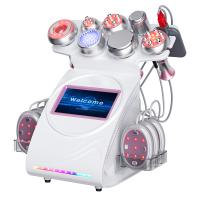
Modern skin whitening machines combine multiple technologies for comprehensive treatment. The most effective systems integrate:

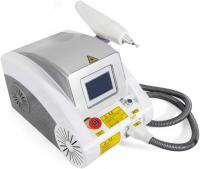
- Q-Switched Nd:YAG Laser (1064nm) - penetrates deep into dermis
- Fractional RF - stimulates collagen without damaging epidermis
- Cooling sapphire tip - maintains 4°C contact temperature
Key metrics to verify:
- Energy density: 2-10J/cm² (adjustable)
- Pulse duration: 5-20ns range
- Spot size: 2-10mm diameter
Industry Trends and Regional Demand
The Asia-Pacific market dominates with 43% revenue share (Grand View Research), driven by cultural beauty standards in Korea, Japan and Southeast Asia. However, stricter EU regulations on hydroquinone are creating demand for machine-based alternatives in Europe.
Emerging trends include:
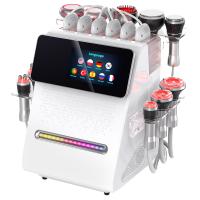
- Combination systems (whitening + tightening)
- Portable devices for home/clinic crossover use
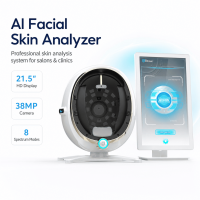
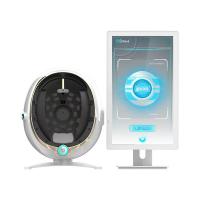
- AI-powered skin analysis integration
Frequently Asked Questions
Can skin whitening machines treat melasma?
Professional-grade Q-switched lasers show 60-80% improvement in clinical studies, but maintenance treatments are typically required every 6 months.
What certifications should I look for?
FDA Class II medical device clearance or CE Mark (MDD/MDR) for European markets. ISO 13485 certification indicates quality manufacturing standards.
How to handle customs clearance?
Lasers require FDA 510(k) premarket notification for US import. Always request HS code classification from manufacturers (typically 9013.20 or 8543.70).