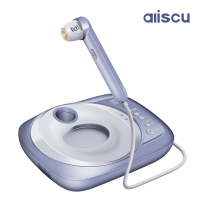
Skin Scanner Machine Ultimate Guide 2024: How to Choose the Best Dermatology Device_73
Introduction: The Rising Demand for Skin Scanner Machines
The global skin analysis devices market is projected to reach $1.2 billion by 2027, growing at 8.3% CAGR (Statista 2023). Dermatologists and skincare professionals increasingly rely on advanced skin scanner machines to deliver precise diagnoses and personalized treatment plans. This comprehensive guide will help you navigate the complex landscape of skin analysis technology, compare different device types, and make informed purchasing decisions.
Key Pain Points in Skin Scanner Selection
Most buyers struggle with three major challenges: understanding technical specifications, differentiating marketing hype from genuine features, and complying with regional medical device regulations. Our 2024 guide addresses all these concerns with actionable insights.
Skin Scanner Machine Buying Guide
Skin Scanner vs Alternative Solutions
| Feature | Professional Skin Scanner | Consumer-grade Device |
|---|---|---|
| Accuracy | Medical-grade (95-98%) | Consumer-level (70-85%) |
| Analysis Depth | Multi-layer skin imaging | Surface-level only |
7 Must-Check Features for Clinical Skin Analyzers
- FDA/CE certification status
- Multi-spectral imaging capability
- Cloud-based analysis software
Technical Deep Dive: How Skin Scanners Work
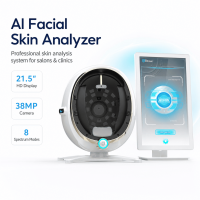
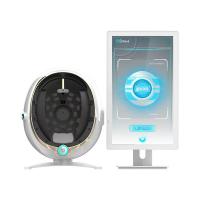
Modern skin scanner machines utilize cross-polarized lighting and RBX technology to capture subsurface skin conditions. The imaging sensors typically operate at 12MP resolution with 50x magnification for pore-level analysis.
Manufacturing Standards Compliance
Reputable manufacturers adhere to ISO 13485 (medical devices) and IEC 60601-1 (electrical safety) standards. Always verify these certifications before purchase.
Industry Trends and Regional Demand
North America dominates 42% of the professional skin scanner market, while Southeast Asia shows the fastest growth (12% YoY). The latest devices incorporate AI algorithms for automated condition detection.
Environmental Considerations
New EU regulations require RoHS compliance for all electronic medical devices, including lead-free components and energy-efficient designs.
Frequently Asked Questions
Can skin scanners detect melanoma?
While advanced devices can identify suspicious lesions, they should never replace professional dermatological evaluation for cancer screening.
What certifications are required?
Minimum requirements include FDA Class II (US) or CE Class IIa (EU) for medical device classification.