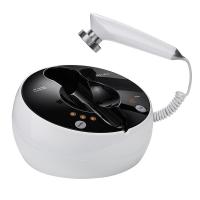
Portable Radiofrequency Machine Ultimate Guide 2024: How to Choose the Best Skin Tightening Device_90
The Complete Guide to Portable Radiofrequency Machines in 2024
The global radiofrequency skin tightening market is projected to reach $1.2 billion by 2027, growing at 7.3% CAGR according to Grand View Research. As demand for non-invasive cosmetic treatments surges, portable RF machines have become essential tools for both professionals and home users seeking facial rejuvenation. This comprehensive guide will help you navigate the key considerations when purchasing these devices, understand their technical specifications, and stay informed about the latest industry trends.
Portable Radiofrequency Machine Buying Guide
When comparing portable RF machines to alternative skin tightening technologies like ultrasound or laser devices, consider these key factors:
| Feature | Portable RF | Ultrasound | Laser |
|---|---|---|---|
| Treatment Depth | 0.5-3mm | 1.5-4.5mm | 0.2-2mm |
| Downtime | None | Minimal | Possible redness |
| Best For | Collagen stimulation | Deep tissue tightening | Surface wrinkles |
7 Must-Check Features for Professional Radiofrequency Devices
- Dual RF technology (monopolar + bipolar)
- Adjustable frequency (0.5-2MHz range)
- FDA/CE certification
- Temperature control system
- Ergonomic handpiece design
- Minimum 50W power output
- Multi-treatment capabilities
Technical Specifications Explained
Modern portable radiofrequency machines operate on three key parameters that determine treatment effectiveness:

Frequency Range: Most professional devices offer 0.5-2MHz frequencies, with lower frequencies penetrating deeper into subcutaneous tissue. The ideal portable RF machine should allow adjustable frequency settings for customized treatments.
How to Use a Portable RF Machine Safely
Proper technique is crucial for achieving optimal results with at-home RF devices. Always start with clean, product-free skin and move the handpiece in slow, circular motions. Treatment duration should not exceed 15-20 minutes per area, with sessions spaced 7-10 days apart for collagen remodeling.
Industry Trends and Regional Demand
The North American market accounts for 38% of global RF device sales, with particular demand for portable machines combining RF with microcurrent technology. European manufacturers are leading in developing eco-friendly devices with reduced energy consumption, while Southeast Asia shows growing preference for compact, multi-functional units.
Frequently Asked Questions
Can portable RF machines treat body areas?
Yes, but effectiveness varies by device power. Professional-grade portable RF machines with at least 60W output can effectively address loose skin on arms, abdomen and thighs, while most home devices are optimized for facial use.
What certifications should I look for?
For commercial use, ensure the device has FDA 510(k) clearance or CE marking. Home devices should at minimum have FCC certification for electromagnetic compliance.
Are there import restrictions?
Most countries classify portable RF machines as medical aesthetic devices, requiring special customs documentation. Always verify HS codes (typically 9018.90 or 8543.70) with your supplier.