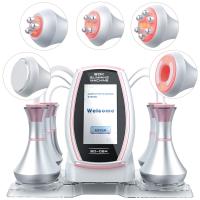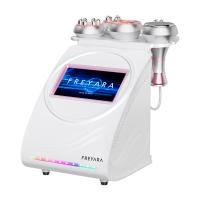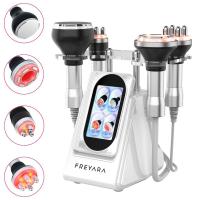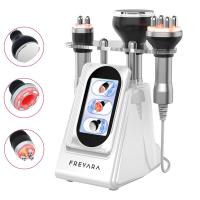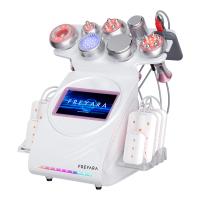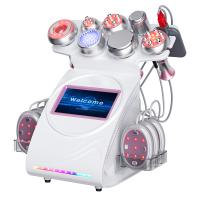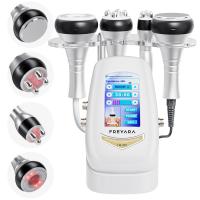

Radiofrequency Machine for Skin Tightening Ultimate Guide 2024: How to Choose the Best Professional Device_6
Radiofrequency Machine for Skin Tightening: The 2024 Professional Buyer's Guide
The global market for non-invasive skin tightening devices is projected to reach $3.9 billion by 2027, with radiofrequency technology leading this growth. As demand for non-surgical facial rejuvenation surges, professionals and clinics face critical decisions when investing in RF equipment. This comprehensive guide will walk you through essential purchasing considerations, technical specifications, and emerging industry trends to help you make informed decisions.
The Ultimate RF Machine Buying Guide
When comparing radiofrequency machines to alternative skin tightening technologies like ultrasound or laser, several key factors emerge:
| Feature | RF Machine | Ultrasound | Laser |
|---|---|---|---|
| Treatment Depth | 0.5-4mm | 1.5-4.5mm | 0.2-3mm |
| Downtime | None | Minimal | Possible redness |
| Ideal For | Collagen stimulation | Deep tissue lifting | Surface tightening |
7 Must-Check Features for Professional RF Machines
- Dual-frequency capability (0.5-2MHz range)
- Temperature monitoring system
- FDA/CE certification
- Adjustable energy output (5-200W)
- Multiple handpiece options
- Real-time impedance detection
- Comfort cooling technology
Technical Deep Dive: How RF Machines Work
Modern radiofrequency devices utilize controlled thermal energy to stimulate collagen production. The optimal treatment parameters depend on:
- Skin thickness (1.5-2.5mm for facial treatments)
- Target tissue temperature (40-45°C for optimal effect)
- Pulse duration (100-500ms intervals)
Leading manufacturers like Venus Concept and Lumenis set industry standards with proprietary technologies such as multi-polar RF and fractional RF delivery systems.
Industry Trends and Regional Demand
The North American market accounts for 42% of global RF device sales, while Asia-Pacific shows the fastest growth at 18% CAGR. New regulations emphasize:
- ISO 13485 certification for medical devices
- RoHS compliance for electronic components
- Energy efficiency standards
Frequently Asked Questions
Q: Can RF machines treat all skin types?
A: Yes, radiofrequency is safe for all Fitzpatrick skin types when proper parameters are used.
Q: What certifications should I verify?
A: Look for FDA 510(k) clearance, CE Mark, and Health Canada approval for complete compliance.
Q: How does customs clearance work?
A: Medical devices typically require special import permits and may be subject to additional testing in some markets.