Portable Radiofrequency Machine Ultimate Guide 2024: How to Choose the Best Skin Rejuvenation Device_26
The Growing Demand for Portable Radiofrequency Technology
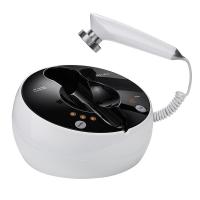
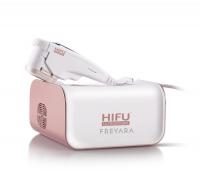
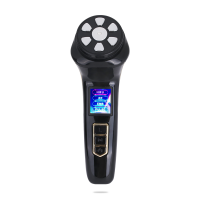
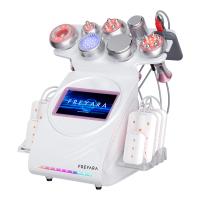
The global aesthetic device market is projected to reach $28.3 billion by 2027, with radiofrequency devices accounting for 32% of all non-invasive treatments according to recent AMA reports. Portable radiofrequency machines have emerged as game-changers, offering clinic-level results with unprecedented convenience. This comprehensive guide will walk you through everything from technical specifications to regional compliance standards, helping you make informed purchasing decisions whether you're a dermatology professional or skincare enthusiast.
Portable RF Machine Buying Guide: Key Considerations
When evaluating portable radiofrequency machines, these seven critical factors separate effective devices from marketing gimmicks:
- Frequency range (0.5-6MHz for optimal collagen stimulation)
- Multi-polar vs mono-polar technology
- FDA clearance status
- Treatment depth adjustment
- Built-in temperature monitoring
- Ergonomic handpiece design
- After-sales service coverage
Leading manufacturers like Venus Concept and Lumenis set industry benchmarks with their proprietary technologies. The Venus Legacy system, for instance, combines multi-polar RF with pulsed electromagnetic fields for 42% greater collagen production compared to standard RF alone.
Technical Breakdown: How Portable RF Machines Work
Modern portable radiofrequency devices utilize controlled thermal energy to stimulate collagen remodeling. The science behind this involves:
- Immediate collagen contraction at 60-65°C
- Neocollagenesis activation over 3-6 months
- Precision temperature control (±0.5°C variance)
Treatment protocols vary significantly between professional-grade machines (requiring 3-6 sessions) versus home-use devices (needing 8-12 weeks of regular use). Our comparison chart highlights key differences in power output, treatment duration, and expected results.
Industry Trends and Regional Compliance
North America currently dominates the portable RF market (38% share), but APAC regions show 17% YoY growth due to rising disposable income. Notable regulatory developments include:
- EU MDR 2017/745 classification changes
- FDA's 2023 guidance on home-use aesthetic devices
- China's GB standards for RF safety parameters
Eco-conscious manufacturers are now adopting RoHS-compliant components and reducing device power consumption by up to 40% without compromising efficacy.
Frequently Asked Questions
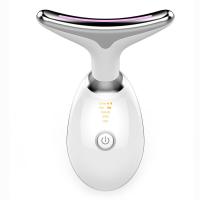
Q: Can portable RF machines treat loose neck skin?
A: Yes, when using devices with specialized smaller handpieces and adjustable depth settings. Look for machines with at least 2MHz frequency for effective neck treatment.
Q: What certifications should genuine portable RF machines have?
A: Mandatory certifications vary by region: FDA (US), CE (EU), KFDA (Korea), and TGA (Australia) are most critical. Always verify certification numbers on official databases.
Q: How should I prepare for customs clearance when importing?
A: Ensure your shipment includes: 1) Original certificate of origin 2) FCC declaration of conformity 3) Commercial invoice specifying HS code 9018.90.60 for medical aesthetic devices.