LED Skin Care Device Ultimate Guide 2024: How to Choose the Best Professional-Grade Device_94
The Complete Guide to LED Skin Care Devices: 2024 Buyer's Handbook
The global LED skin care device market is projected to reach $1.2 billion by 2027, growing at 15.3% CAGR according to Grand View Research. As consumers increasingly seek non-invasive cosmetic solutions, these devices offer clinically-proven alternatives to expensive dermatologist visits. This guide will help you navigate the complex landscape of professional and home-use LED therapy devices.
LED Skin Care Device Buying Guide
When comparing LED skin care devices to traditional treatments like chemical peels or microdermabrasion, consider these key factors:
| Feature | LED Device | Traditional Treatment |
|---|---|---|
| Downtime | None | 3-7 days |
| Pain Level | Painless | Moderate |
| Cost Per Session | $2-5 | $150-400 |
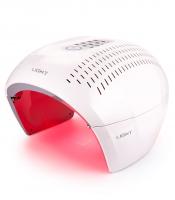
7 Must-Check Features for Professional LED Light Therapy
- FDA clearance for cosmetic use
- Medical-grade wavelengths (415nm-660nm)
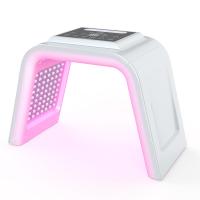
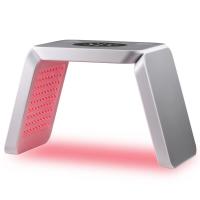
- Minimum 100 LED bulbs
- Dual power supply options
- Timer with auto-shutoff
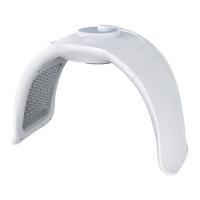
- Ergonomic face contour design
- 1-year manufacturer warranty
Technical Specifications Explained
Understanding LED skin care device specifications ensures you get professional results. The most critical parameters include:

- Wavelength Range: Blue light (415nm) for acne, Red light (630-660nm) for collagen production
- Irradiance: Minimum 50mW/cm² for effective treatment
- Treatment Area: Full-face coverage vs spot treatment capabilities
Industry Trends and Regional Demand
The U.S. accounts for 38% of global LED device sales, with Europe following at 29% (Statista 2023). Emerging trends include:
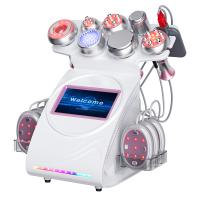
- Combination devices with RF and microcurrent
- Portable designs for travel use
- Smartphone-connected models with treatment tracking
Frequently Asked Questions
Q: Can LED skin care devices treat rosacea?
A: Yes, amber and red light wavelengths (590-660nm) can reduce inflammation associated with rosacea when used 3-5 times weekly.
Q: What certifications should I look for?
A: Prioritize devices with FDA 510(k) clearance, CE marking, and ISO 13485 certification for medical devices.