LED Skin Care Device Ultimate Guide 2024: How to Choose Professional-Grade Tools_4
The Complete Guide to LED Skin Care Devices in 2024
The global LED skin care market is projected to reach $1.2 billion by 2027, growing at 15.3% CAGR according to Grand View Research. As consumers increasingly seek professional-grade treatments at home, understanding how to select the right LED skin care device becomes crucial. This guide will walk you through key purchasing factors, technical specifications, and emerging trends to help you make informed decisions.
LED Skin Care Device Buying Guide
When comparing LED devices to traditional skincare tools, consider these key differences:
| Feature | LED Device | Traditional Tools |
|---|---|---|
| Technology | Medical-grade light wavelengths | Mechanical exfoliation |
| Safety | Non-invasive | Risk of irritation |
| Treatment Time | 3-30 minutes | Immediate results |
7 Must-Check Features for Professional LED Light Therapy
- FDA clearance for medical use
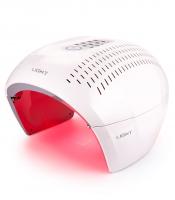
- Multiple wavelength options (red/blue/infrared)
- Clinical-grade LED density (minimum 60 LEDs/square inch)
- Timer with automatic shutoff
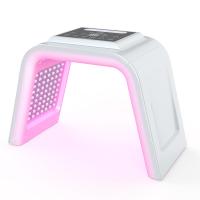
- Ergonomic design for full-face coverage
- Medical-grade materials
- Manufacturer's clinical studies
Technical Specifications Explained
The effectiveness of an LED skin care device depends on three key parameters:

Red light (630-700nm) stimulates collagen production for anti-aging, while blue light (400-470nm) targets acne-causing bacteria. Professional devices should deliver irradiance of 50-200 mW/cm² for optimal results.
How LED Light Penetration Works
Different wavelengths reach varying skin depths:
- Blue light: 1mm (perfect for acne treatment)
- Red light: 8-10mm (reaches collagen layers)
- Near-infrared: 10-15mm (muscle and joint benefits)
Industry Trends and Regional Demand
North America currently dominates the LED skin care market with 42% share, while Asia-Pacific shows the fastest growth at 18.7% CAGR. New developments include:
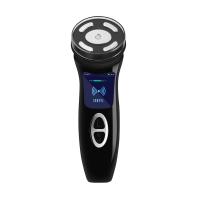
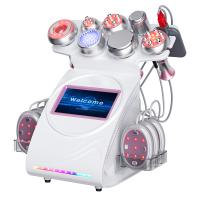
- Combination devices with microcurrent and RF
- Smartphone-connected treatment tracking
- Sustainable designs with recyclable materials
Frequently Asked Questions
Can LED devices treat rosacea?
Red light therapy shows promising results for reducing rosacea inflammation, but should be used cautiously at lower intensities.
What certifications should I look for?
Prioritize devices with FDA clearance (for US market) or CE marking (for Europe). ISO 13485 certification indicates medical device manufacturing standards.
How to clear customs for international orders?
Most LED skin care devices fall under HS code 9013.80, requiring FDA/CE documentation for smooth clearance. Always check local medical device regulations.