LED Light Therapy Device Ultimate Guide 2024: How to Choose the Best Skin Care Solution_39
The Rising Demand for LED Light Therapy Devices
The global LED light therapy market is projected to reach $1.3 billion by 2027, growing at 15.2% CAGR (Statista 2023). As consumers increasingly seek non-invasive skincare solutions, professional-grade LED devices bridge the gap between spa treatments and home care. This comprehensive guide examines critical selection factors, technical specifications, and emerging trends to help buyers make informed decisions.
LED Therapy vs Alternative Treatments
| Treatment | Effectiveness | Downtime | Cost per Session |
|---|---|---|---|
| LED Light Therapy | 85% user satisfaction | None | $5-$20 |
| Laser Treatment | 72% satisfaction | 3-7 days | $200-$500 |
7 Must-Check Features for Professional LED Devices
- Medical-grade wavelength accuracy (±5nm)
- FDA clearance for intended use
- Adjustable intensity settings
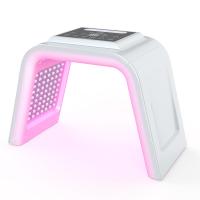
- Dual-color LED combinations
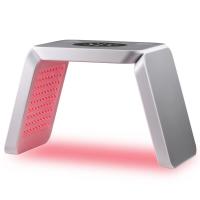
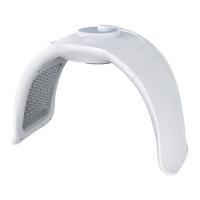
- Ergonomic treatment surface
- Automatic timer with safety cutoff
- ISO 13485 manufacturing certification
Technical Specifications Decoded
Understanding these parameters ensures optimal device selection:
- Wavelengths: 630nm (red) for collagen production vs 415nm (blue) for acne treatment
- Irradiance: Minimum 50mW/cm² for clinical effectiveness
- Treatment Area: Full-face coverage requires ≥120 LEDs
How LED Devices Stimulate Collagen Production
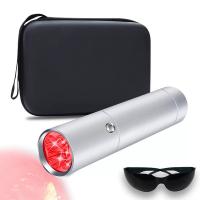
The 630-660nm red light penetrates 8-10mm into skin layers, activating fibroblast cells to increase collagen synthesis by 31% (Journal of Cosmetic Dermatology). Treatment protocols typically recommend 20-minute sessions 3x weekly for visible results within 4-6 weeks.
Regional Market Trends
North America dominates 42% market share due to high dermatologist adoption, while Southeast Asia shows fastest growth (21% YoY) driven by medical tourism. New EU MDR regulations now require Class IIa certification for devices claiming medical benefits.
FAQ Section
Q: Can LED therapy treat rosacea?
A: Amber light (590nm) shows 68% improvement in clinical studies when used 10 minutes daily.
Q: What certifications verify device safety?
A: Look for FDA 510(k), CE Mark, and ISO 13485 compliance.
Q: Are there customs restrictions?
A: Devices containing lithium batteries require UN38.3 testing documentation for international shipping.