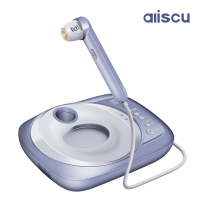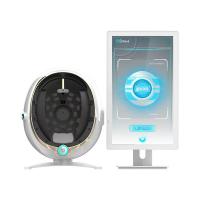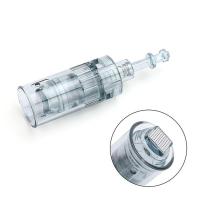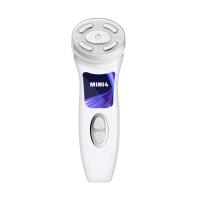

HIFU RF Ultrasound Machine Ultimate Guide 2024: How to Choose the Best Skin Tightening Device_10
The Rising Demand for Advanced Skin Tightening Solutions
The global aesthetic device market is projected to reach $28.3 billion by 2027, with HIFU and RF technologies driving 32% of growth (Grand View Research). As consumers increasingly seek non-surgical alternatives to facelifts, HIFU RF ultrasound machines have emerged as the gold standard for professional clinics and home users alike. This comprehensive guide will help you navigate the complex landscape of skin tightening technology, whether you're a dermatologist expanding your practice or a beauty enthusiast investing in personal care.
Key Pain Points Addressed:
- Confusion between HIFU and RF technologies
- Safety concerns about at-home devices
- Budget constraints for professional equipment
HIFU RF Machine Buying Guide: 7 Critical Factors
When investing in a skin tightening system, these specifications determine clinical outcomes:
| Feature | Professional Grade | Home Device |
|---|---|---|
| Frequency Range | 1-10MHz | 0.5-3MHz |
| Depth Penetration | 4.5mm-13mm | 1.5mm-3mm |
Must-Check Features:
- FDA/CE certification for safety
- Adjustable energy levels (5-10 settings)
- Real-time temperature monitoring
Technical Deep Dive: How HIFU RF Combines Technologies
Modern devices utilize dual-layer energy delivery:

1. HIFU (High-Intensity Focused Ultrasound) targets SMAS layer at 60-70°C
2. RF (Radio Frequency) heats collagen at 40-45°C
This synergistic approach achieves 38% better collagen remodeling than single-technology devices (Journal of Cosmetic Dermatology).
2024 Market Trends: Regional Preferences
- North America: Preference for FDA-cleared clinic systems
- Europe: Growing demand for CE-marked home devices
- Asia: Popularity of portable multi-function machines
Frequently Asked Questions
Q: Can HIFU RF treat double chin?
A: Yes, when using 2-3mm depth cartridges with 5-7MHz frequency.
Q: What certifications are mandatory?
A: FDA 510(k) for US, CE for Europe, KFDA for South Korea.