HIFU for Face Ultimate Guide 2024: How to Choose the Best Non-Surgical Facelift_43
HIFU for Face: The Complete 2024 Buyer's Guide
The global non-invasive skin tightening market is projected to reach $6.8 billion by 2027, with HIFU technology leading this growth (Statista 2023). As consumers increasingly seek alternatives to surgical facelifts, understanding how to select the right HIFU device becomes critical. This guide will walk you through equipment selection, technical specifications, and emerging industry trends.
HIFU for Face Buying Guide
When evaluating HIFU machines, consider these key factors:
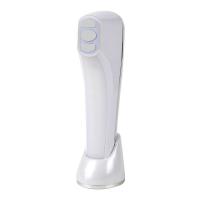
| Feature | Professional Grade | Home Use Device |
|---|---|---|
| Frequency | 4-7 MHz | 1-3 MHz |
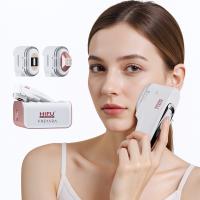
| Depth | 4.5mm/3.0mm/1.5mm | 1.5-3.0mm only |
| Safety Certifications | FDA/CE Class IIa | CE Class I |
7 Must-Check Features for Professional HIFU Machines
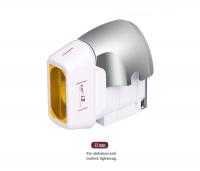
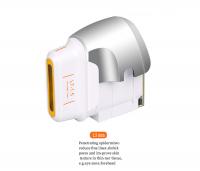
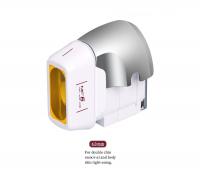
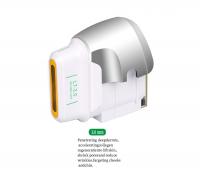
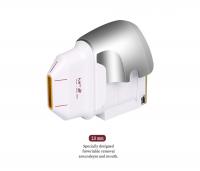
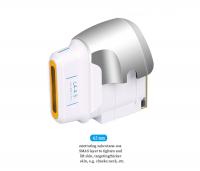
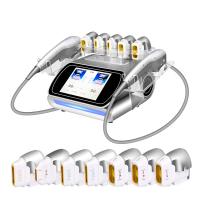
- Multi-depth transducer heads (4.5mm for SMAS layer)
- Real-time temperature monitoring
- FDA 510(k) clearance
- Adjustable energy levels (0.5-2.5 Joules)
- Dual-frequency capability
- Automatic safety shutoff
- 3-year manufacturer warranty
Technical Specifications Explained
The effectiveness of HIFU for face treatments depends on three core parameters:
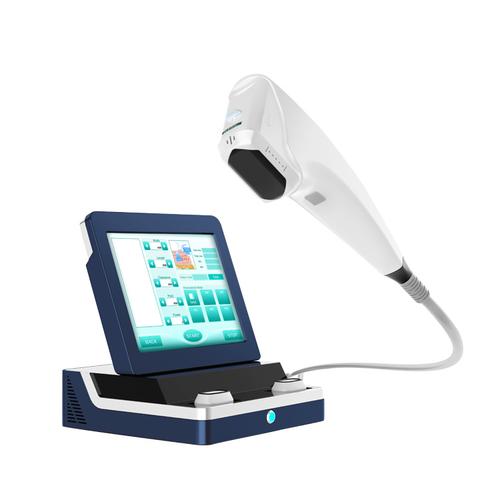
1. Frequency: Measured in MHz, determines treatment depth
2. Spot Size: Ranges from 0.25mm to 1.5mm diameter
3. Pulse Duration: Typically 50-100ms for facial applications
How HIFU Stimulates Collagen Production
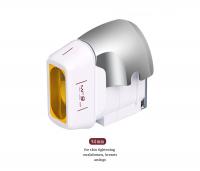
The ultrasound energy creates controlled thermal injury points at precise depths (1.5mm for dermis, 3.0mm for superficial fascia, 4.5mm for SMAS layer). This triggers the body's natural healing response, with new collagen formation peaking at 3-6 months post-treatment.
Industry Trends and Regional Demand
North America currently dominates the HIFU device market (42% share), while Asia-Pacific shows the fastest growth (18% CAGR). Key developments include:
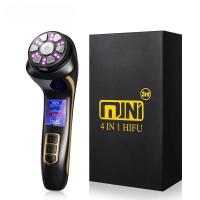
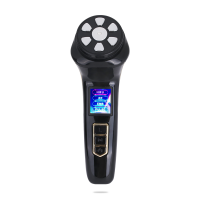
- Combination systems integrating HIFU with RF and microcurrent
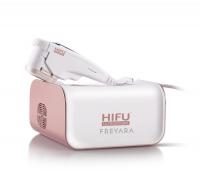
- Portable devices under 5kg for mobile practitioners
- AI-assisted treatment mapping software
Frequently Asked Questions
Is HIFU safe for all skin types?
FDA-cleared devices are generally safe for Fitzpatrick skin types I-IV. Special precautions are needed for types V-VI due to higher melanin content.
What certifications should I look for?
For professional devices: FDA 510(k) or CE Class IIa. Home devices should at minimum have CE Class I or FDA registration.
How many treatments are typically needed?
Most protocols recommend 1-3 sessions spaced 4-6 weeks apart, with maintenance treatments every 12-18 months.