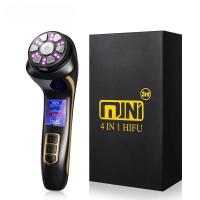
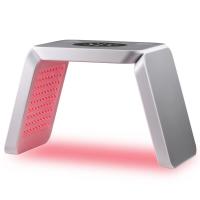
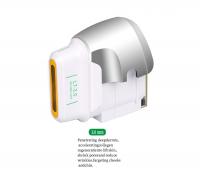
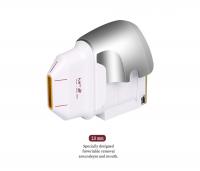
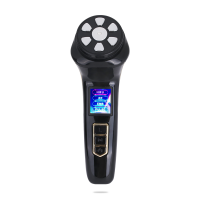
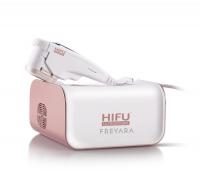
HIFU Device Ultimate Guide 2024: How to Choose the Best Non-Invasive Beauty Tool_94
The Complete Guide to HIFU Devices: Your 2024 Buying Companion
The global HIFU market is projected to reach $1.2 billion by 2027, growing at 15.3% CAGR according to Grand View Research. As consumers increasingly seek non-surgical facelift alternatives, high-intensity focused ultrasound technology has emerged as the gold standard for non-invasive skin tightening. This comprehensive guide will walk you through everything from technical specifications to regional compliance requirements.
HIFU Device Buying Guide: 7 Critical Factors
When evaluating HIFU machines, consider these essential elements:
| Feature | Professional Grade | Home Use |
|---|---|---|
| Depth | 4.5mm/3.0mm/1.5mm | 1.5mm-3.0mm |
| Frequency | 2MHz-10MHz | 1MHz-3MHz |
Must-Check Safety Features
- FDA/CE certification
- Automatic temperature control
- Skin sensor technology
Technical Deep Dive: How HIFU Works
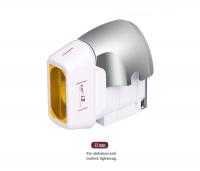
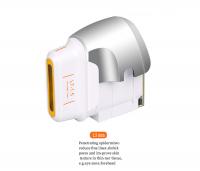
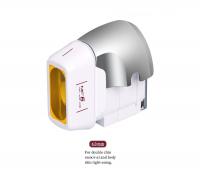
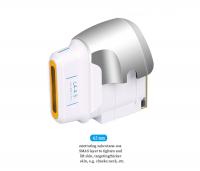
The ultrasound waves penetrate at three distinct depths:

Leading manufacturers like Ulthera recommend treatment protocols based on skin thickness measurements taken with 20MHz ultrasound scanners.
Regional Market Insights
European clinics now account for 38% of global HIFU procedures, while Southeast Asia shows 72% year-over-year growth in device imports according to trade data.
Frequently Asked Questions
Q: Can HIFU replace surgical facelifts?
A: While providing noticeable lifting, HIFU works best as maintenance between surgical procedures for most patients over 50.
For wholesale inquiries, our minimum order quantity starts at 10 units with CE/FDA documentation included. All shipments comply with IEC 60601-2-5 medical equipment standards.