HIFU Anti-Aging Ultimate Guide 2024: How to Choose the Best Non-Invasive Treatment_61
The Rising Demand for Non-Invasive Anti-Aging Solutions
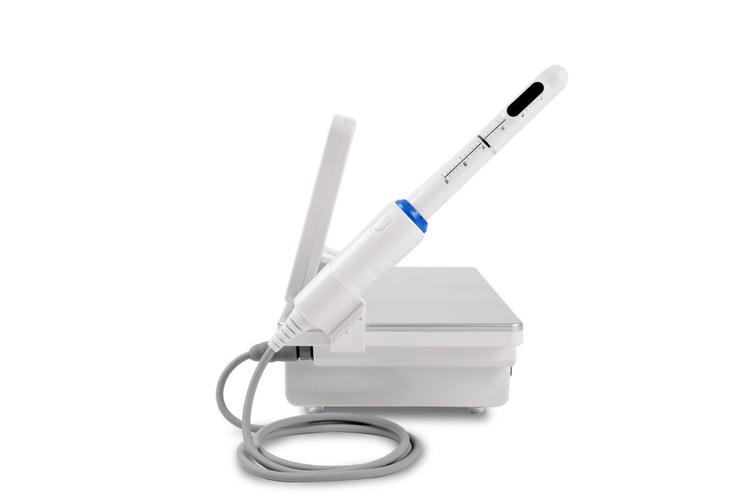
The global anti-aging market is projected to reach $83.2 billion by 2027, with HIFU technology emerging as one of the fastest-growing segments. As consumers increasingly seek alternatives to surgical facelifts, high-intensity focused ultrasound (HIFU) has become the gold standard for non-invasive skin tightening. This comprehensive guide will walk you through everything from HIFU technology fundamentals to selecting commercial-grade equipment for your clinic.
HIFU vs Alternative Anti-Aging Treatments
| Treatment | Downtime | Results Duration | Pain Level |
|---|---|---|---|
| HIFU | None | 1-2 years | Mild |
| Laser | 3-7 days | 6-12 months | Moderate |
| RF | None | 6-9 months | Minimal |
7 Must-Check Features When Buying Professional HIFU Machines
- FDA/CE certification for medical devices
- Adjustable depth settings (1.5mm-4.5mm)
- Real-time temperature monitoring
- Minimum 5MHz transducer frequency
- Precision targeting within 1mm accuracy
- At least 200,000 treatment shots lifespan
- Comprehensive training package
Understanding HIFU Technology Parameters
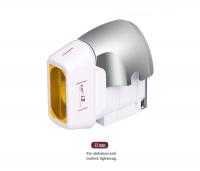
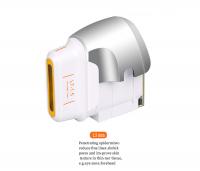
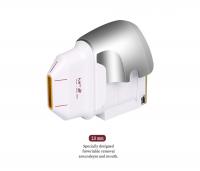
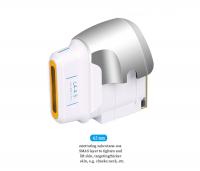
Modern HIFU devices deliver focused ultrasound energy at depths of 1.5mm (for epidermal tightening), 3.0mm (SMAS layer stimulation), and 4.5mm (deep collagen remodeling). The thermal coagulation points created at 60-70°C trigger natural healing processes that continue producing collagen for up to 6 months post-treatment.
Regional Market Preferences
North American clinics prefer multi-depth systems with integrated cooling, while European buyers prioritize CE-MDD certified devices. Southeast Asian markets show growing demand for portable HIFU units with dual aesthetic and therapeutic applications.
Frequently Asked Questions
Is HIFU safe for all skin types?
FDA-cleared HIFU devices are generally safe for Fitzpatrick skin types I-IV. Patients with active infections or metal implants in treatment areas should consult dermatologists first.
What certifications should professional HIFU machines have?
Look for FDA 510(k) clearance, CE Class IIa certification, and ISO 13485 compliance. These ensure the device meets stringent safety and efficacy standards.