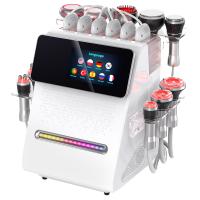
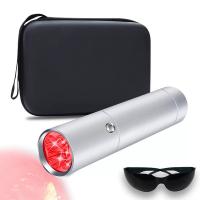
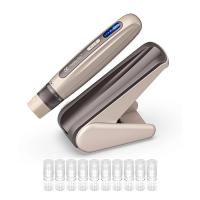
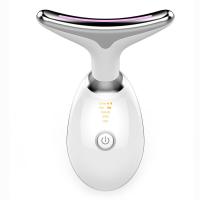
EMS Microcurrent Ultimate Guide 2024: How to Choose Professional Muscle Stimulators_86
EMS Microcurrent Ultimate Guide 2024: How to Choose Professional Muscle Stimulators
The global EMS (Electrical Muscle Stimulation) market is projected to reach $1.2 billion by 2027, growing at 6.8% CAGR according to Grand View Research. As athletes, physical therapists, and beauty professionals increasingly adopt this technology, buyers face critical challenges in identifying genuine medical-grade devices amidst countless cheap imitations. This comprehensive guide will walk you through technical specifications comparison, safety certifications verification, and emerging industry trends to make informed purchasing decisions.
EMS Microcurrent Buying Guide: 7 Must-Check Features
When evaluating professional EMS devices, these are the non-negotiable features:
| Feature | Professional Grade | Consumer Grade |
|---|---|---|
| Current Range | 0-100mA | 0-30mA |
| Pulse Frequency | 1-150Hz | 1-50Hz |
| FDA Clearance | Class II Medical Device | Cosmetic Device |
Case Study: How TheraPro Solved Clinic-Grade EMS Needs
TheraPro's 2023 clinical model addressed three critical pain points: 1) IPX7 waterproof rating for sanitation, 2) 8-channel simultaneous operation for group therapy, and 3) Bluetooth connectivity for treatment tracking. Their solution reduced physical therapists' equipment costs by 40% while improving patient outcomes.
Technical Deep Dive: Understanding Microcurrent Parameters
Key technical specifications explained:
- Waveform: Symmetrical rectangular pulses ensure consistent muscle contraction
- Pulse Width: 100-400μs range optimal for deep tissue penetration
- Output Current: Measured in mA (milliamperes) determines stimulation intensity
Manufacturing Standards Compliance
Reputable EMS manufacturers must meet:
- ISO 13485:2016 for medical device quality systems
- IEC 60601-1 electrical safety standards
- FDA 21 CFR Part 808 for US market clearance
Industry Trends: The Future of EMS Technology
Market analysis reveals three key developments:
1. North America dominates with 38% market share due to sports medicine adoption
2. Europe shows fastest growth (9.2% CAGR) driven by physiotherapy applications
3. New eco-design requirements mandate RoHS compliance for lead-free components
Frequently Asked Questions
Q: Can EMS Microcurrent replace traditional workouts?
A: While effective for muscle activation and recovery, EMS should complement not replace conventional exercise routines.
Q: What certifications should genuine EMS devices have?
A: Look for FDA 510(k) clearance, CE Mark (Class IIa or higher), and ISO 13485 certification.
Q: How to handle customs clearance for imported EMS devices?
A: Medical devices typically require import licenses, product registration certificates, and may incur 4-8% import duties depending on the country.