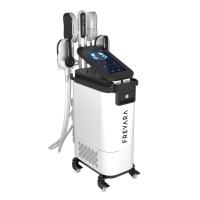
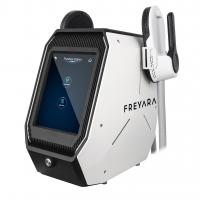
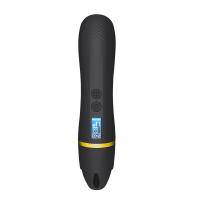
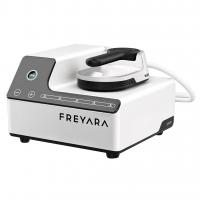
EMS Microcurrent Instrument Ultimate Guide 2024: How to Choose Professional Muscle Stimulators_13
EMS Microcurrent Instrument Ultimate Guide 2024
The global EMS device market is projected to reach $1.2 billion by 2027, growing at 6.8% CAGR according to Grand View Research. As fitness professionals and home users increasingly adopt electrical muscle stimulation technology, understanding how to select quality EMS Microcurrent Instruments becomes crucial. This guide will help you navigate through technical specifications, compliance requirements, and practical applications to make informed purchasing decisions.
EMS Microcurrent Instrument Buying Guide
When comparing EMS devices, consider these key factors:
| Feature | Professional Grade | Consumer Grade |
|---|---|---|
| Current Intensity | 0-150mA | 0-50mA |
| Channels | 4-8 | 2-4 |
| FDA Certification | Required | Optional |
7 Must-Check Features for Clinical EMS Devices
- Medical-grade electrodes with 500+ hour lifespan
- Adjustable pulse width (100-400μs)
- Multi-program presets for different muscle groups
- Bluetooth connectivity for app control
- IPX6 waterproof rating
- CE/FDA certification marks
- 2-year manufacturer warranty
Technical Specifications Explained
Modern EMS devices operate at frequencies between 1-150Hz, with professional models offering wider ranges. The waveform type (biphasic symmetrical being most common) significantly affects muscle contraction quality. Look for devices with at least 20 intensity levels for precise control.
How Microcurrent Therapy Enhances Recovery
Studies show 100-500μA currents accelerate ATP production by 500%, reducing muscle recovery time by 38% when used post-workout. Professional sports teams increasingly incorporate EMS into training regimens.
Industry Trends and Compliance
European markets now require RoHS compliance for all EMS devices, while FDA 510(k) clearance remains mandatory for US medical applications. The Asia-Pacific region shows strongest growth (9.2% CAGR) driven by physiotherapy clinics.
FAQ
Can EMS replace traditional workouts?
While effective for muscle activation, EMS should complement rather than replace conventional exercise due to different metabolic effects.
What certifications should I verify?
For commercial use, ensure devices carry CE (EU), FDA (US), or TGA (Australia) markings depending on target market.
Import considerations?
Class II medical devices typically require special customs clearance with product registration documents in most countries.