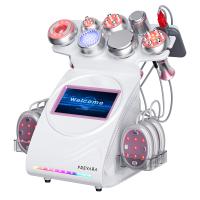
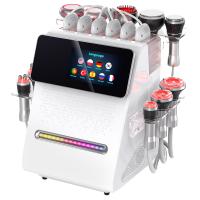
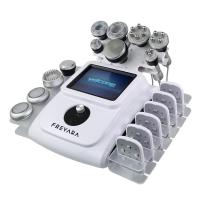
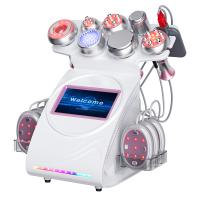
EMS Facial Device Ultimate Guide 2024: How to Choose Quality Facial Toning Equipment_82
The global aesthetic device market is projected to reach $28.5 billion by 2026, growing at a CAGR of 11.2%. EMS facial devices have emerged as one of the fastest-growing segments, with professional and home-use models gaining significant traction worldwide. Many consumers struggle with selecting the right device that balances effectiveness, safety, and value. This comprehensive guide will walk you through everything from technical specifications to market trends, helping you make an informed purchasing decision.
EMS Facial Device Procurement Guide
Choosing the right EMS facial device requires careful consideration of several factors. The market offers various options from professional-grade equipment to home-use devices, each with distinct features and price points.
| Feature | Professional EMS Device | Home Use Device |
|---|---|---|
| Power Output | High (100-500 microamps) | Low (50-100 microamps) |
| Treatment Depth | Deep muscle stimulation | Surface muscle toning |
| Price Range | $500-$2000 | $100-$300 |
| Safety Features | Multiple safety protocols | Basic safety mechanisms |
When evaluating EMS facial devices, consider these 7 essential features: FDA clearance status, adjustable intensity levels, multiple waveform options, electrode quality, battery life, warranty coverage, and customer support availability. A leading skincare clinic in California reported a 40% increase in client satisfaction after implementing a systematic device selection process that prioritized these factors.
Technical Specifications Analysis
EMS technology operates through electrical impulses that stimulate facial muscles, causing contractions that tone and strengthen muscle fibers. The effectiveness depends on several technical parameters including frequency range, pulse duration, and current type.

Most quality devices operate within 1-1000 Hz frequency range, with optimal facial treatment occurring between 10-50 Hz. Pulse duration typically ranges from 100-400 microseconds. Understanding these specifications helps answer common questions about how EMS devices achieve facial contouring and skin tightening results.
Manufacturing standards require compliance with ISO 13485 for medical devices and IEC 60601-1 for electrical safety. Reputable manufacturers also provide clinical study data supporting their efficacy claims.
Industry Trends and Market Analysis
According to Statista, the demand for non-invasive aesthetic devices increased by 23% in 2023, with North America and Europe representing the largest markets. Southeast Asia shows the fastest growth rate at 18% annually, driven by increasing disposable income and beauty consciousness.
Regional preferences vary significantly: European markets prioritize devices with CE certification and eco-friendly designs, while North American consumers focus more on FDA clearance and clinical evidence. Environmental compliance requirements now include RoHS directives and REACH regulations, affecting both manufacturing processes and material selection.
Frequently Asked Questions
Are EMS facial devices suitable for sensitive skin?
Most modern devices include sensitivity settings and are generally safe for sensitive skin when used according to manufacturer instructions. However, individuals with specific skin conditions should consult a dermatologist first.
What certifications should I look for?
Essential certifications include FDA clearance (for US market), CE marking (for European market), and RoHS compliance. Additional certifications like ISO 13485 indicate quality manufacturing processes.
How does customs clearance work for these devices?
EMS facial devices typically require import documentation including certificate of origin, commercial invoice, and sometimes additional medical device registration documents depending on the destination country's regulations.
Quick Tip: Always verify device specifications match your country's voltage requirements to avoid compatibility issues.