EMS Facial Device Ultimate Guide 2024: How to Choose Quality Facial Toning Equipment_73
EMS Facial Device Ultimate Guide 2024: How to Choose Quality Facial Toning Equipment
Introduction: The Rising Demand for Non-Invasive Facial Treatments
The global aesthetic device market is projected to reach $28.2 billion by 2026, growing at a CAGR of 10.9%. EMS facial devices have emerged as a revolutionary solution for consumers seeking professional-grade facial treatments without invasive procedures. Many users struggle with choosing the right device that balances effectiveness, safety, and affordability. This comprehensive guide will walk you through everything from technical specifications to purchasing considerations, helping you make an informed decision for your skincare needs.
EMS Facial Device Procurement Guide: Making the Right Choice
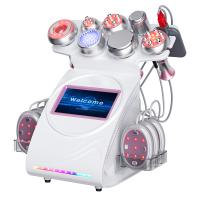
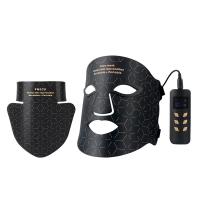
When comparing EMS facial devices to alternative technologies, several factors distinguish superior products. Microcurrent devices provide immediate facial contouring effects, while RF technology offers collagen stimulation for long-term results. LED therapy complements these technologies by addressing specific skin concerns like acne or hyperpigmentation.
Our 7-point checklist for quality EMS facial devices ensures you never miss critical features: FDA clearance certification, adjustable intensity levels, multiple treatment modes, quality electrode materials, safety automatic shut-off, waterproof design for easy cleaning, and manufacturer warranty coverage. These elements separate professional-grade devices from inferior alternatives.
Consider the case of BeautyPro Solutions, which addressed customer concerns about device durability by implementing military-grade materials testing. Their devices now undergo 15,000 hours of continuous operation testing before market release, ensuring longevity and consistent performance.
Technical Specifications Demystified
Understanding technical parameters is crucial for selecting the right EMS facial device. Frequency ranges between 100-1000 Hz provide optimal muscle stimulation without discomfort. Pulse width should be adjustable from 50-300 microseconds for customized treatments. Output current typically ranges from 0-500 μA for safe home use.
Many users wonder how to maximize treatment results with their EMS device. Begin with clean, product-free skin using a gentle cleanser. Apply conductive gel evenly across treatment areas before starting sessions. Start with lower intensity settings, gradually increasing as your skin adapts. Consistent treatment schedules of 3-5 sessions weekly yield best results. Always follow with hydrating serums and sunscreen for comprehensive skincare.
Manufacturing standards require ISO 13485 certification for medical devices, CE marking for European markets, and FDA clearance for US distribution. These certifications ensure devices meet stringent safety and efficacy requirements.
Industry Trends and Market Analysis
According to Statista, the home beauty device market will grow by 23.7% annually through 2027. North America represents 38% of global demand, followed by Europe at 31% and Asia-Pacific rapidly expanding at 27% year-over-year. Regional preferences vary significantly with North American consumers prioritizing anti-aging benefits, European markets focusing on natural ingredients compatibility, and Asian consumers seeking whitening and brightening effects.
Environmental compliance has become increasingly important with RoHS directives restricting hazardous substances and WEEE regulations ensuring proper electronic waste disposal. Many manufacturers now incorporate recycled materials and reduced packaging to meet eco-conscious consumer demands.
Frequently Asked Questions
Are EMS facial devices suitable for sensitive skin? Most devices offer adjustable intensity levels making them suitable for sensitive skin types. However, users with pacemakers or pregnant women should avoid these treatments. Always consult with a dermatologist before beginning new skincare regimens.
What certifications should I look for? Prioritize FDA-cleared devices with CE marking for European standards. ISO 13485 certification indicates quality management system compliance for medical devices. These certifications ensure safety and efficacy standards are met.
How does customs clearance work for international orders? Most commercial EMS devices fall under HS code 901890. Proper documentation including certificate of origin, commercial invoice, and declaration of conformity smooths customs processing. Import duties typically range from 0-5% depending on destination country.