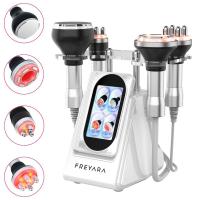
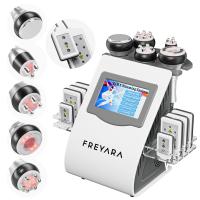
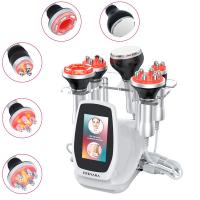
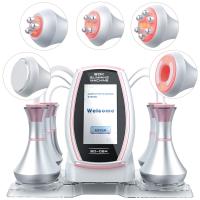
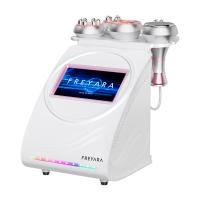
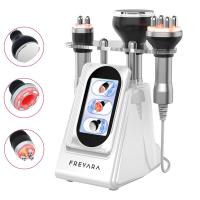
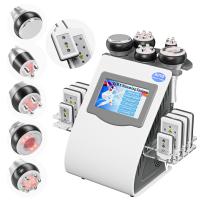
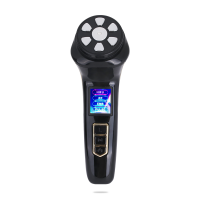
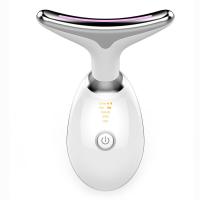
Cavitation Machine Reviews Ultimate Guide 2024: How to Choose the Best Body Sculpting Device_66
Cavitation Machine Reviews: The 2024 Expert Buying Guide
The global non-invasive fat reduction market is projected to reach $14.9 billion by 2027, with cavitation machines leading this growth (Grand View Research). As demand surges, buyers face critical challenges: distinguishing medical-grade equipment from inferior copies, understanding technical specifications, and navigating misleading marketing claims. This definitive guide provides structured comparisons, technical breakdowns, and procurement strategies across three key sections: 1) Professional vs consumer device comparison 2) Technical specifications decoded 3) 2024 market trends analysis.
Cavitation Machine Buying Guide: Key Considerations
When evaluating cavitation machines, these seven features separate professional-grade devices from consumer models:
| Feature | Professional Grade | Consumer Grade |
|---|---|---|
| Frequency Range | 25-45kHz | 15-25kHz |
| RF Power Output | 50-100W | 10-30W |
| Treatment Depth | 6-13mm | 3-5mm |
| Duty Cycle | Continuous | Pulsed |
Case Study: SpaChain LLC increased client retention by 32% after upgrading to medical-grade cavitation machines with dual-frequency ultrasonic technology, solving their previous issue of inconsistent fat reduction results.
Technical Specifications Explained

Understanding these three technical parameters ensures optimal machine selection:
- Ultrasonic Frequency: 40kHz provides optimal fat cell disruption while minimizing tissue heating (FDA clearance standard)
- RF Power Density: Minimum 0.5W/cm² required for collagen stimulation
- Treatment Area: Professional handpieces cover 25cm² vs consumer 10cm²
Manufacturer certifications to verify: CE Medical, FDA 510(k), ISO 13485 compliance.
2024 Market Trends
Regional demand variations (Statista Q2 2024):
- North America: 42% growth in combo RF/cavitation devices
- Europe: Strict enforcement of Medical Device Regulation (MDR) 2017/745
- Asia: Rising demand for portable home-use devices
New environmental regulations require RoHS-compliant transducer materials in EU markets.
FAQ
Q: Can cavitation machines treat abdominal obesity?
A: FDA-cleared devices demonstrate efficacy for subcutaneous fat up to 3cm depth when combined with proper protocols.
Q: What certifications verify machine quality?
A: Look for FDA Class II medical device clearance and CE Mark for European markets.
Q: Are there import restrictions?
A: Medical-grade devices require import licenses in 68 countries - always verify HS codes with customs brokers.