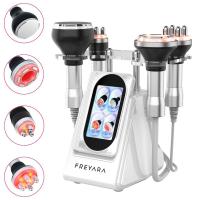
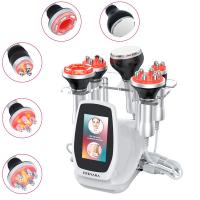
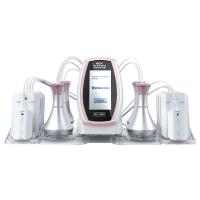
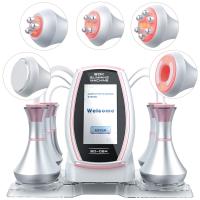
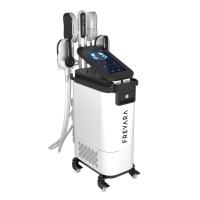
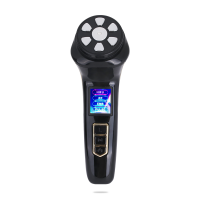
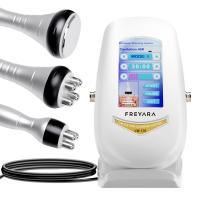
Cavitation Body Sculpting Machine Ultimate Guide 2024: How to Choose the Best Non-Invasive Fat Removal Device_37
The Complete Guide to Cavitation Body Sculpting Machines in 2024
The global non-invasive fat reduction market is projected to reach $14.9 billion by 2027, growing at 15.2% CAGR according to Grand View Research. As demand for pain-free body contouring solutions surges, cavitation body sculpting machines have emerged as the preferred alternative to liposuction. This comprehensive guide will help you navigate the complex landscape of ultrasonic fat removal technology, whether you're a spa owner, clinic operator, or wellness entrepreneur.
Buyer's Guide: Choosing the Right Cavitation Machine
| Feature | Professional Grade | Home Use |
|---|---|---|
| Frequency Range | 25-45kHz | 15-25kHz |
| Treatment Area | Full body | Small areas |
7 Must-Check Features for Professional Cavitation Machines
- Multi-frequency ultrasonic technology
- FDA/CE certification
- Adjustable intensity levels
Technical Deep Dive: How Cavitation Machines Work
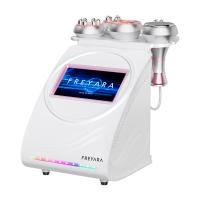
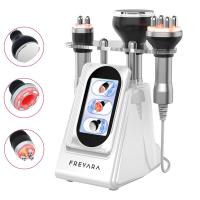
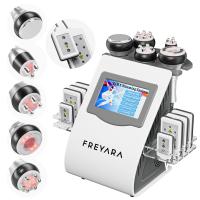
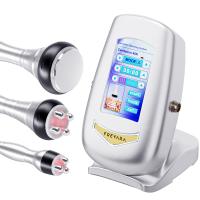
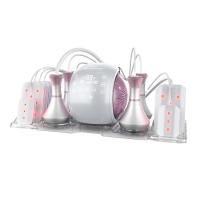
Ultrasonic cavitation uses low-frequency sound waves to disrupt fat cell membranes through implosion. The liquefied fat is then naturally metabolized by the lymphatic system. Modern devices combine 40kHz ultrasonic waves with RF and vacuum therapy for enhanced results.
Industry Trends and Regional Demand
North America dominates 38% market share, while Asia-Pacific shows fastest growth at 18.7% CAGR. New EU regulations now require MDR certification for all aesthetic devices.
Frequently Asked Questions
Is cavitation safe for all body types?
While generally safe, cavitation isn't recommended for pregnant women or individuals with liver/kidney disorders.
What certifications should I look for?
FDA 510(k), CE Mark, and ISO 13485 are essential for commercial use devices.