Skin Health Analysis Machine Ultimate Guide 2024: How to Choose the Best Dermatology Device_35
Introduction: The Rising Demand for Skin Health Analysis
The global skin analysis devices market is projected to reach $8.9 billion by 2027, growing at 12.3% CAGR (Statista 2023). As consumers become increasingly proactive about skincare, dermatologists and beauty professionals face mounting pressure to deliver precise, data-driven diagnoses. This comprehensive guide will help you navigate the complex landscape of skin health analysis machines, whether you're a clinic owner sourcing medical-grade equipment or a retailer stocking consumer devices.
Key Pain Points in Skin Analysis Technology
- Inconsistent readings from low-quality sensors
- Lack of standardized measurement protocols
- Difficulty interpreting complex data outputs
- High maintenance costs for professional systems
Skin Health Analysis Machine Buying Guide
When evaluating skin analysis equipment, consider these critical factors:
| Feature | Professional Grade | Consumer Grade |
|---|---|---|
| Accuracy | ±2% | ±15% |
| Parameters Measured | 8-12 | 3-5 |
| Software Integration | DICOM/PACS | Mobile App |
7 Must-Check Features for Clinical Skin Scanners
- FDA/CE medical device certification
- Multi-spectral imaging capability
- Automated patient data management
- Cross-polarized lighting
- UV fluorescence detection
- 3D skin surface mapping
- Cloud-based analysis software
Technical Deep Dive: How Skin Analysis Machines Work
Modern devices combine several advanced technologies:

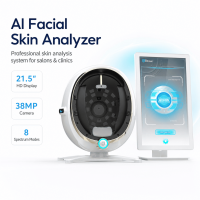
Figure 1: Optical pathway of a professional skin scanner showing (A) LED light source, (B) spectral filters, (C) high-resolution CCD sensor
Key Measurement Parameters
- Moisture content (corneometry)
- Sebum secretion (sebumetry)
- Melanin index (mexameter)
- Erythema (redness) levels
- Pore size distribution
- Elasticity (cutometry)
Industry Trends and Regional Demand
The North American market leads in adoption of AI-powered analysis (42% market share), while Asia-Pacific shows fastest growth (18.7% CAGR) due to booming medical tourism. New EU MDR regulations require stricter clinical validation for devices sold in Europe.
Frequently Asked Questions
Can skin analysis machines detect skin cancer?
While some FDA-cleared devices can assist in early detection, they should never replace a dermatologist's evaluation. Look for devices with specific cancer-screening approvals if this is your primary use case.
What certifications are required for clinical use?
In the US, devices must have FDA 510(k) clearance. In Europe, CE Marking under MDR Class IIa or higher is mandatory. Always verify certification numbers in official databases.
How to handle customs clearance for imported devices?
Medical devices typically require: 1) Certificate of Free Sale, 2) ISO 13485 certification, 3) Local representative registration. Work with experienced medical device importers to avoid delays.