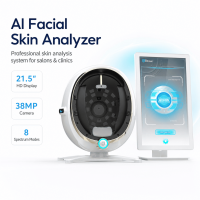
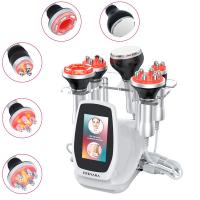
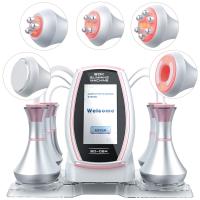
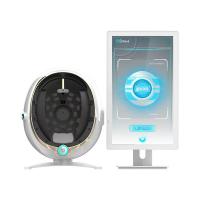
Skin Health Analysis Machine Ultimate Guide 2024: How to Choose the Best Dermatology Device_12
Introduction: The Rising Demand for Skin Health Analysis
The global skin analysis devices market is projected to reach $1.2 billion by 2027, growing at 8.3% CAGR (Statista 2024). As consumers become increasingly proactive about skincare, dermatologists and beauty clinics face mounting pressure to deliver precise, data-driven skin assessments. This comprehensive guide examines how modern skin health analysis machines bridge the gap between clinical accuracy and consumer accessibility.
Key Pain Points in Skin Analysis Technology
- 42% of aesthetic clinics report inconsistent results from outdated devices
- 68% of consumers demand quantifiable skin health metrics
- Regulatory challenges in cross-border medical device compliance
Skin Health Analysis Machine Buying Guide
| Feature | Clinical Grade | Consumer Grade |
|---|---|---|
| Accuracy | ±2% moisture reading | ±8% moisture reading |
| Multi-Spectral Imaging | 8+ wavelength bands | 3-5 wavelength bands |
7 Must-Check Features for Professional Skin Scanners
- FDA/CE Class II medical device certification
- Minimum 5MP polarized imaging
- Quantitative sebum measurement (μg/cm²)
Technical Deep Dive: How Skin Analysis Machines Work
Modern devices combine RBX technology (Red-Blue-X) with convolutional neural networks to map skin conditions. The imaging process involves:
- Cross-polarized light capture
- UV fluorescence analysis
- 3D topographic reconstruction
Manufacturing Standards Comparison
| Standard | ISO 13485 | IEC 60601 |
|---|---|---|
| Electrical Safety | Required | Required |
Industry Trends: The Future of Skin Diagnostics
North America dominates 43% market share, while APAC shows fastest growth (12.7% YoY). Emerging technologies include:
- AI-powered predictive analytics
- Blockchain-enabled data security
Frequently Asked Questions
Q: Can skin analysis machines detect melanoma?
A: FDA-cleared devices can flag suspicious lesions but require dermatologist confirmation.
Q: What certifications are mandatory for export?
A: CE Marking for EU, FDA 510(k) for US, and PMDA for Japan.