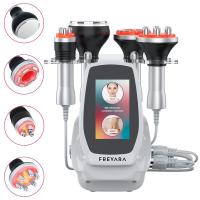
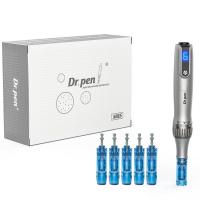
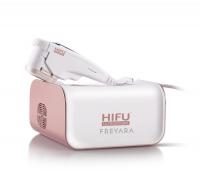
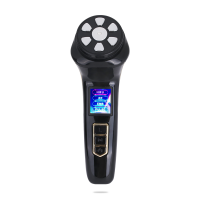
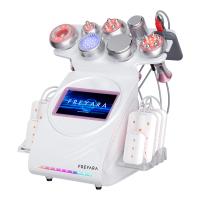
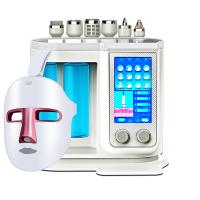
Medical Grade Skin Device Ultimate Guide 2024: How to Choose the Best Professional Skin Tool_15
The Growing Demand for Medical Grade Skin Devices
The global medical aesthetics market is projected to reach $15.9 billion by 2027, with professional skin devices accounting for 32% of growth (Statista 2023). As clinics and spas upgrade their equipment, choosing the right medical grade skin device has become a critical decision affecting treatment outcomes and business profitability.
Key Challenges in Device Selection
Practitioners face three main challenges: 1) Differentiating true medical-grade equipment from consumer devices, 2) Navigating complex certification requirements, and 3) Ensuring compatibility with various skin treatments. This guide will provide comprehensive solutions through:
- Detailed purchasing checklist
- Technology comparison charts
- Manufacturer standards analysis
- 2024 market trends
Medical Grade Skin Device Buying Guide
Use this comparison table to evaluate key specifications:
| Feature | Medical Grade | Consumer Grade |
|---|---|---|
| FDA Classification | Class II | Class I |
| Output Power | Adjustable 5-100W | Fixed 3-15W |
7 Must-Check Features for Professional Skin Equipment
- FDA 510(k) clearance documentation
- Multi-layer safety protection system
- Precision temperature control (±0.5°C)
- Modular handpiece design
Technical Deep Dive
Modern medical skin devices utilize three core technologies:
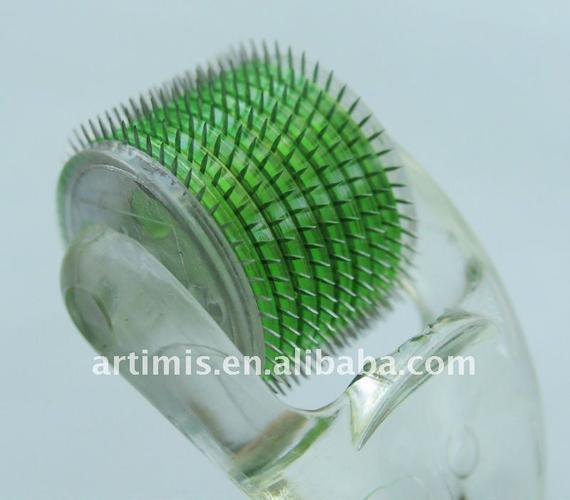
How RF Technology Works in Skin Devices
Radiofrequency energy penetrates to 3-4mm depth, stimulating collagen production through controlled thermal injury. Optimal parameters:
- Frequency: 0.5-2MHz
- Temperature: 60-70°C
Industry Trends 2024
Key developments include:
- 45% growth in combination devices (RF + ultrasound + LED)
- Stricter EU MDR compliance requirements
- Rising demand in Southeast Asian markets
FAQ
Can medical devices treat all skin types?
FDA-cleared devices undergo testing on Fitzpatrick skin types I-VI. Always verify manufacturer specifications for ethnic skin applications.
What certifications are required?
Minimum requirements include FDA 510(k), CE Mark (Class IIa or higher), and ISO 13485 quality system certification.