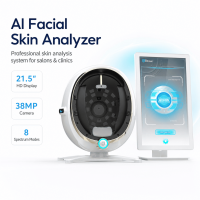
Face Skin Analysis Scanner Machine Ultimate Guide 2024: How to Choose the Best Skin Diagnostic Device_0
The Growing Demand for Skin Analysis Technology
The global skin analysis devices market is projected to reach $1.2 billion by 2027, growing at 11.3% CAGR according to Grand View Research. As consumers become more skincare-conscious, professionals and individuals alike need reliable tools for accurate skin assessment. Face Skin Analysis Scanner Machines have emerged as essential diagnostic tools that go beyond surface-level observation, providing scientific data about skin conditions.
Many users struggle with choosing between professional-grade equipment and consumer devices, often wasting money on inaccurate scanners that fail to detect critical skin issues. This comprehensive guide will help you navigate the complex landscape of skin analysis technology, covering everything from technical specifications to regional compliance requirements.
Face Skin Analysis Scanner Machine Buying Guide
When investing in skin analysis equipment, consider these key factors:
| Feature | Professional Scanner | Consumer Device |
|---|---|---|
| Accuracy | ±2% moisture reading | ±15% moisture reading |
| Parameters Measured | 8-12 skin metrics | 3-5 basic metrics |
| Software Integration | Medical-grade analysis | Basic mobile apps |
7 Must-Check Features for Professional Skin Scanners
- Multi-spectral imaging capability
- FDA/CE medical device certification
- Cloud-based data storage
- Real-time 3D skin mapping
- Cross-polarized lighting
- UV damage assessment
- Sebum production analysis
Technical Deep Dive: How Skin Scanners Work
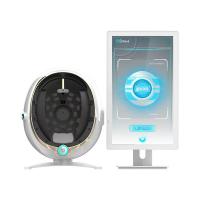
Modern Face Skin Analysis Scanner Machines combine several advanced technologies:

The scanning process typically involves:
- High-resolution imaging (5MP minimum)
- RBG wavelength analysis
- Fluorescence detection
- Thermal mapping
Leading manufacturers like Canfield Scientific and Courage+Khazaka follow strict ISO 13485 standards for medical imaging devices. The scanners must maintain consistent performance across 50,000+ scan cycles with less than 3% calibration drift.
Industry Trends and Regional Requirements
The skincare diagnostics market shows distinct regional patterns:
- North America: Dominates 38% market share with strict FDA clearance requirements
- Europe: Growing demand for portable devices with GDPR-compliant data handling
- Asia-Pacific: Fastest growth (14.2% CAGR) driven by K-beauty clinics
New EU MDR regulations require Class IIa medical device certification for scanners claiming therapeutic benefits. California's Proposition 65 affects material choices for scanner components.
Frequently Asked Questions
Q: Can Face Skin Analysis Scanner Machines detect skin cancer?
A: While they can identify suspicious lesions, these devices are not FDA-approved for cancer diagnosis and should complement professional medical evaluation.
Q: What certifications should I look for?
A: Prioritize devices with FDA 510(k) clearance, CE Mark (Class I or higher), and ISO 13485 certification for medical-grade reliability.
Q: How to handle customs clearance for imported scanners?
A: Medical devices typically require additional documentation including Certificate to Foreign Government (CFG) and may be subject to 4.7% import duty in most markets.