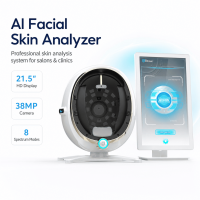
Face Skin Analysis Scanner Machine Ultimate Guide 2024: How to Choose the Best Skin Analysis Device_80
Introduction: The Growing Demand for Skin Analysis Technology
The global skin analysis devices market is projected to reach $1.2 billion by 2027, growing at 8.3% CAGR (Statista 2023). As consumers become more skincare-conscious, Face Skin Analysis Scanner Machines have emerged as essential tools for dermatologists, aesthetic clinics, and beauty retailers. This guide will help you navigate the complex landscape of skin analysis technology, covering everything from technical specifications to regional compliance requirements.
Face Skin Analysis Scanner Machine Buying Guide
When investing in a skin analysis system, consider these critical factors:
| Feature | Professional Scanner | Consumer Device |
|---|---|---|
| Accuracy | Medical-grade (95-99%) | Consumer-grade (80-90%) |
| Multi-Spectral Imaging | 5-8 wavelengths | 2-3 wavelengths |
7 Must-Check Features for Professional Skin Scanners
- FDA/CE certification for medical devices
- Minimum 5MP camera resolution
- UV and polarized light capabilities
Technical Deep Dive: How Skin Scanners Work
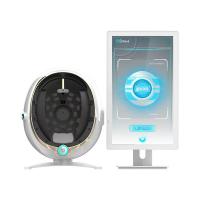
Modern Face Skin Analysis Scanner Machines utilize advanced imaging technologies:

The scanning process typically involves:
- Multi-spectral image capture (VIS/UV/IR)
- 3D surface mapping
- AI-powered analysis algorithms
Industry Trends and Regional Requirements
Key developments shaping the skin scanner market:
- 45% growth in tele-dermatology applications (EU 2023)
- Stricter FDA regulations for Class II medical devices
- Growing demand for portable devices in Southeast Asia
Frequently Asked Questions
Can Face Skin Analysis Scanner Machines detect skin cancer?
While advanced scanners can identify suspicious lesions, they should never replace professional medical diagnosis.
What certifications should a medical-grade scanner have?
Look for FDA 510(k) clearance, CE Marking (Class IIa), and ISO 13485 certification.