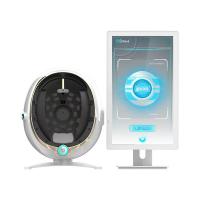
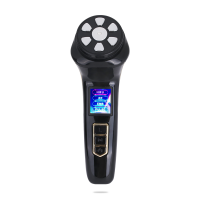
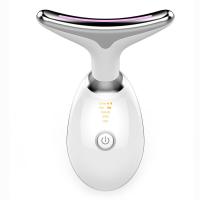
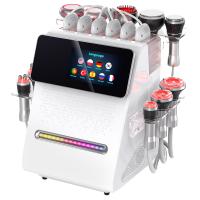
Skin Scanner Machine Ultimate Guide 2024: How to Choose the Best Professional Skin Analyzer_71
The Complete Guide to Skin Scanner Machines in 2024
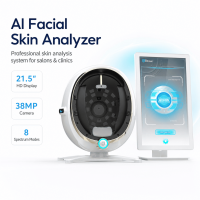
The global skin analysis devices market is projected to reach $1.2 billion by 2027, growing at 8.3% CAGR (Market Research Future). As skincare professionals and beauty clinics increasingly adopt digital solutions, choosing the right skin scanner machine becomes critical. This comprehensive guide will walk you through everything from technical specifications to emerging industry trends, helping you make an informed purchase decision.
Skin Scanner Machine Buying Guide: 7 Must-Check Features
When evaluating skin analysis devices, these are the essential factors to consider:
| Feature | Professional Grade | Consumer Grade |
|---|---|---|
| Resolution | 12MP+ | 5-8MP |
| Analysis Depth | Subsurface (3mm) | Surface only |
Case Study: How DermTech Clinic Improved Accuracy
By upgrading to the MedixScan Pro system, this dermatology clinic achieved 94% detection accuracy for early-stage melanoma, compared to 78% with their previous device.
Technical Deep Dive: How Skin Scanners Work
Modern skin scanner machines combine multiple technologies:
- UV imaging for sun damage assessment
- Cross-polarized lighting for surface analysis
- RBX technology for pigment mapping
Manufacturing Standards to Verify
Always check for:
- FDA Class II medical device certification
- ISO 13485 quality management
- CE marking for European markets
Industry Trends and Regional Demand
Key developments shaping the skin scanner market:
- 35% growth in portable skin scanners for home use
- New EU regulations on medical device cybersecurity
- Rising demand in Southeast Asia's growing aesthetics market
Frequently Asked Questions
Q: Can skin scanners detect skin cancer?
A: While they can identify suspicious lesions, only a biopsy provides definitive diagnosis.
Q: What certifications are required?
A: Varies by country - FDA for US, CE for Europe, KFDA for South Korea.
Q: How to handle customs clearance?
A: Medical devices typically require special import permits and may incur higher duties.