Understanding RF Attenuators: Types, Applications, and Selection Guide_53
An RF attenuator is a passive electronic device that reduces the power of a signal without significantly distorting its waveform. It is commonly used in RF and microwave systems to control signal levels, protect sensitive components, and improve impedance matching.
Table of Contents
1. Types of RF attenuators2. How RF attenuators work
3. Applications of RF attenuators
4. Selecting the right RF attenuator
1. Types of RF attenuators
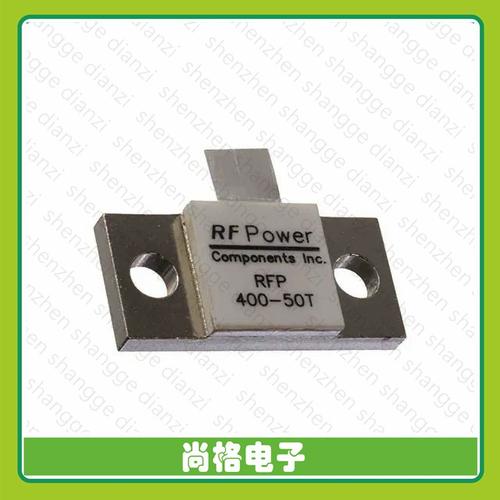
RF attenuators come in various types, each designed for specific applications. Fixed attenuators provide a constant level of attenuation and are available in different dB values. Variable attenuators allow adjustable attenuation levels, either manually or electronically. Step attenuators offer discrete attenuation levels, while programmable attenuators can be controlled digitally. The choice between these types depends on factors like required precision, frequency range, and application flexibility. Fixed attenuators are often used in permanent installations, while variable types are preferred for testing and calibration purposes. Understanding these different types is crucial for selecting the appropriate attenuator for your specific RF system requirements.
2. How RF attenuators work
RF attenuators function by absorbing or reflecting a portion of the signal power to achieve the desired reduction. The most common design uses resistive elements arranged in specific configurations like T-pad or π-pad networks. These networks maintain proper impedance matching while providing the necessary attenuation. The amount of attenuation is typically measured in decibels (dB), with higher values indicating greater signal reduction. Attenuators must maintain good VSWR (Voltage Standing Wave Ratio) across their operating frequency range to minimize signal reflections. The quality of an attenuator is determined by factors such as its frequency response, power handling capability, and temperature stability. Understanding these working principles helps in proper attenuator selection and application.
3. Applications of RF attenuators
RF attenuators find applications across various industries and systems. In test and measurement setups, they protect sensitive equipment from high-power signals. In communication systems, they help balance signal levels between different components. Attenuators are essential in radar systems, satellite communications, and wireless networks. They're used to simulate signal loss in cable systems and to ensure proper signal levels in receiver front-ends. Medical equipment like MRI machines often incorporate RF attenuators to control signal integrity. The versatility of these components makes them indispensable in any RF system where precise signal level control is required, from laboratory environments to commercial wireless infrastructure.
4. Selecting the right RF attenuator
Choosing the appropriate RF attenuator involves considering several key parameters. The frequency range must match your system's operating frequencies. Attenuation value should meet your signal reduction requirements. Power handling capability must exceed your maximum expected signal power. Connector types should be compatible with your system interfaces. Environmental factors like temperature stability may be important for outdoor applications. For precision applications, consider parameters like flatness across frequency and temperature coefficient. Cost and size may also be factors in commercial applications. By carefully evaluating these parameters against your specific needs, you can select an attenuator that provides optimal performance for your application while staying within budget constraints.
RF attenuators play a critical role in modern RF systems, offering solutions for signal level management across various applications. Whether you're working with fixed attenuators for stable installations or variable types for flexible testing environments, understanding their types, working principles, and selection criteria is essential. The right attenuator can significantly improve system performance, protect sensitive components, and ensure accurate signal measurements. As RF technology continues to advance, the importance of proper attenuator selection and application only grows more significant for engineers and technicians working in this field.