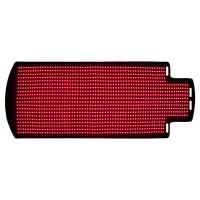
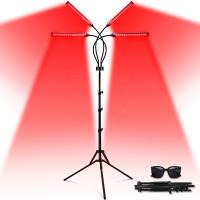
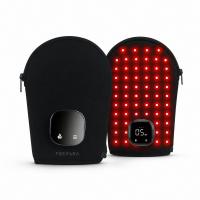
Understanding Body Light Therapy Side Effects: A Complete Safety Guide_58
Understanding Body Light Therapy Side Effects: A Complete Safety Guide
Body light therapy has emerged as a revolutionary wellness solution in global healthcare markets, with the phototherapy industry projected to reach $1.2 billion by 2027. While offering numerous benefits, international buyers must carefully evaluate potential side effects to ensure product safety and compliance with medical device regulations.
What Is Body Light Therapy? Technical Specifications
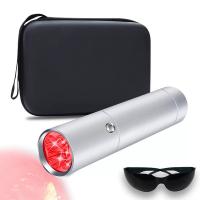
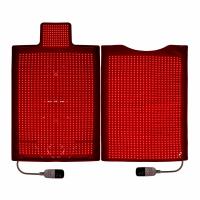
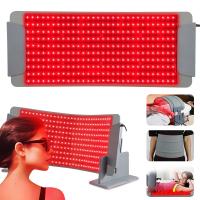
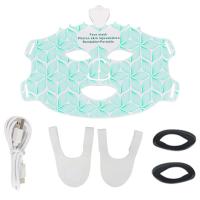
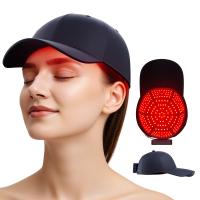
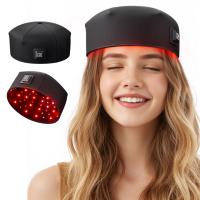
Body light therapy involves controlled exposure to specific light wavelengths (typically 600-850nm for red/NIR and 400-470nm for blue light). The technology must comply with:
- IEC 62471:2006 Photobiological safety standard
- FDA 21 CFR 1040.10 for LED medical devices
- EN 60601-1 medical electrical equipment requirements
Potential Side Effects and Safety Considerations
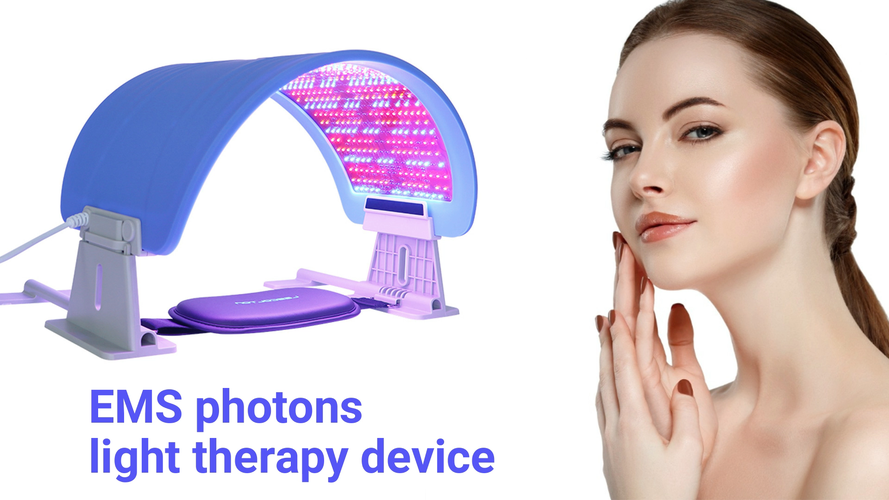
Clinical studies report these common side effects (occurring in 3-8% of users):
- Eye strain/discomfort (when used without protective eyewear)
- Temporary skin redness (typically resolves within 2 hours)
- Headaches (in 2.7% of cases according to 2022 JAMA Dermatology study)
Comparative Safety Analysis (LED vs. Laser Therapy)
| Parameter | LED Light Therapy | Laser Therapy |
|---|---|---|
| Skin Burn Risk | 0.2% incidence | 1.8% incidence |
| Eye Safety | Class 1 (safe) | Class 3B (caution) |
| FDA Clearance | 510(k) for 85% devices | PMA required |
Global Market Insights
The European phototherapy market shows particular sensitivity to safety certifications:
- 72% of EU buyers require CE Medical Device certification
- 58% prioritize devices with ISO 13485 quality systems
- Average price premium for certified devices: 22-35%
Manufacturer Compliance Checklist
When sourcing light therapy devices, verify:
- Third-party test reports for wavelength accuracy (±5nm tolerance)
- EMC/RF immunity testing documentation
- Material safety data sheets for housing components
- Clinical trial data (minimum 50-subject studies)
FAQ: Body Light Therapy Safety Concerns
Can light therapy cause permanent eye damage?
Properly certified devices pose minimal risk when used as directed. Always verify IEC 62471 Eye Hazard classification.
Are there contraindications for light therapy?
Contraindications include photosensitive medications, active skin cancer, or lupus. Medical consultation is recommended.
How often should safety inspections be performed?
Manufacturers recommend quarterly output testing and annual full-spectrum verification.
What temperature range is safe for continuous operation?
Device surface should not exceed 41°C (105°F) during 30-minute sessions.
Do different wavelengths have different side effect profiles?
Blue light (415nm) carries higher photosensitivity risk than red light (630nm) based on 2023 clinical data.
How verify authentic FDA clearance?
Cross-check 510(k) numbers in FDA's MAUDE database and request Notified Body certificates.
For detailed technical specifications and safety test reports, download our Light Therapy Compliance Handbook or schedule a consultation with our biomedical engineers.