Understanding Body Light Therapy Side Effects: A Comprehensive Guide for Safe Treatment_11
Understanding Body Light Therapy Side Effects: A Comprehensive Guide for Safe Treatment
As light therapy gains global popularity in wellness and medical applications, international buyers need reliable information about potential body light therapy side effects. This guide provides evidence-based insights to help procurement managers make informed decisions when sourcing light therapy devices.
What Is Body Light Therapy? Technical Specifications and Standards
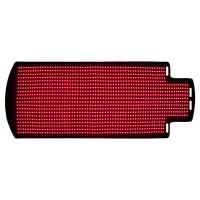
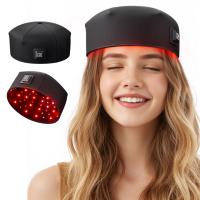
Body light therapy uses specific wavelengths of light (typically red or near-infrared) to stimulate cellular activity. The most effective devices operate within these parameters:
- Wavelength range: 630-850nm
- Power density: 20-200mW/cm²
- Treatment duration: 10-20 minutes per session
International standards include IEC 62471 for photobiological safety and FDA clearance for medical-grade devices.
Body Light Therapy vs. Alternative Treatments
| Treatment | Benefits | Side Effect Risk |
|---|---|---|
| Body Light Therapy | Non-invasive, drug-free, minimal downtime | Low (with proper use) |
| Topical Medications | Targeted application | Skin irritation, systemic absorption |
| Oral Supplements | Whole-body effects | Digestive issues, drug interactions |
Potential Side Effects and Risk Mitigation

- Eye strain: Always use protective goggles with bright light devices
- Skin redness: Reduce treatment time or increase distance from device
- Headaches: Stay hydrated and limit initial sessions to 5 minutes
Industry Data and Safety Records
A 2022 clinical review in the Journal of Photodermatology analyzed 37 studies involving 2,814 participants:
- Serious adverse events: 0.3%
- Mild side effects: 8.7% (primarily temporary skin redness)
- Device malfunction incidents: 0.9%
Certification Checklist for Buyers
When sourcing light therapy devices, verify these certifications:
- FDA 510(k) clearance (for medical claims)
- CE Mark (EU compliance)
- ISO 13485 (quality management)
- IEC 60601-1 (electrical safety)
FAQs About Body Light Therapy
What's the safest wavelength range for light therapy?
630-850nm wavelengths have the most research supporting their safety profile for skin penetration without DNA damage risks.
Can light therapy interact with medications?
Photosensitizing drugs (certain antibiotics, acne medications) may increase sensitivity. Always consult a healthcare provider.
How often can treatments be safely administered?
Most protocols recommend 3-5 sessions weekly, allowing 48 hours between treatments for cellular recovery.
Are home-use devices as safe as clinical systems?
FDA-cleared home devices are safe when following manufacturer guidelines, though typically have lower power outputs.
What temperature should the device surface maintain?
Quality devices remain below 41°C (105°F) during continuous operation to prevent thermal injury.
How long until potential side effects appear?
Most adverse reactions manifest within 24 hours if they occur, allowing for prompt discontinuation if needed.
For detailed specifications of our medically-certified light therapy systems or to request third-party test reports, contact our product specialists today.