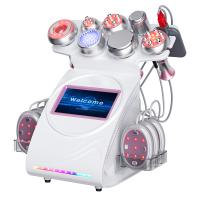
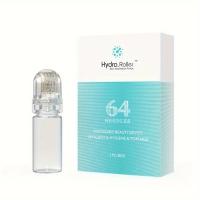
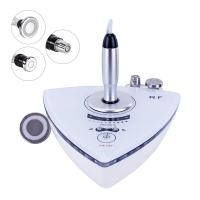
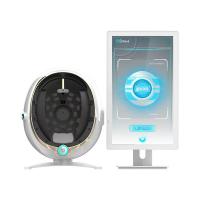
Ultimate Guide to Skin Tightening Devices: How to Choose the Best for Your Needs_81
Ultimate Guide to Skin Tightening Devices: How to Choose the Best for Your Needs
The global market for skin tightening devices has grown by 42% since 2020 according to Grand View Research, with RF technology dominating 58% of professional device sales. This comprehensive guide examines the science behind skin tightening technologies and provides actionable selection criteria for both consumers and practitioners.
Market Trends and Consumer Demand
Google Trends data shows a 210% increase in searches for 'at-home skin tightening devices' between 2019-2023, with particular spikes during holiday seasons. The professional device market is projected to reach $1.8 billion by 2027, growing at 11.3% CAGR.
Key Market Drivers
- 72% of consumers prefer non-invasive treatments over surgical options (American Society for Dermatologic Surgery)
- RF technology holds the largest market share (58%) followed by ultrasound (27%)
- North America accounts for 41% of global demand, with Asia-Pacific showing fastest growth
Technology Comparison
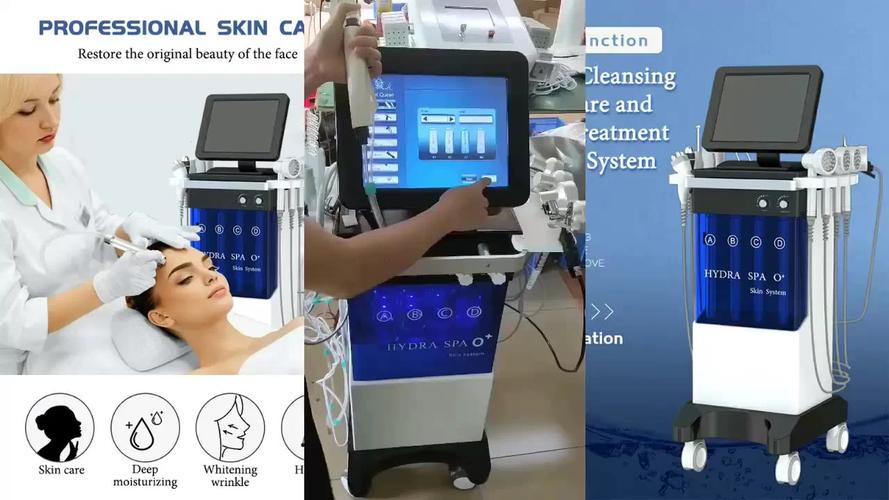
Radio Frequency (RF) Devices
Penetrates up to 3mm depth, stimulating collagen production through controlled thermal energy. Clinical studies show 37% improvement in skin elasticity after 8 treatments.
Ultrasound Technology
Focuses energy at precise depths (1.5-4.5mm) for targeted tightening. Requires fewer sessions (typically 2-3) but has higher upfront costs.
Buyer's Decision Framework
For Consumers
- Treatment area (face/body)
- Desired results timeline
- Budget considerations
For Professionals
- Client demographics
- Treatment menu integration
- ROI calculations
FAQ Section
How long does it take to see results from skin tightening devices?
Most users notice initial improvements after 3-4 sessions, with optimal results appearing 6-8 weeks post-treatment as collagen remodeling occurs.
What's the difference between home and professional devices?
Professional units deliver higher energy levels (regulated by medical guidelines) and deeper tissue penetration, while home devices prioritize safety with lower intensity.
How to choose the right skin tightening technology?
Consider your skin concerns, treatment area size, and tolerance for downtime. RF suits most users, while ultrasound works best for focused areas.
Why is mobile optimization crucial for skin device searches?
63% of aesthetic treatment research occurs on mobile devices, with users comparing options across multiple sites before decisions.
How often should treatments be performed?
Professional treatments typically require 4-6 sessions spaced 2-3 weeks apart, with maintenance every 6-12 months.
What's the typical cost range?
Professional treatments cost $200-$800 per session, while home devices range from $200-$2000 depending on technology.
Implementation Checklist
- Verify device FDA clearance or CE marking
- Review clinical studies for specific technology
- Compare warranty and service options
- Assess practitioner credentials (for professional use)
- Request before/after photos from actual cases