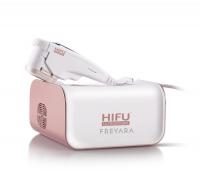
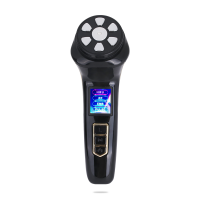
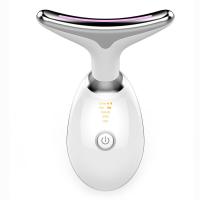
Ultimate Guide to Radiofrequency Machine for Face 2024: How to Choose the Best Skin Tightening Device_13
The Growing Demand for Radiofrequency Facial Treatments
The global aesthetic device market is projected to reach $28.3 billion by 2027, with radiofrequency technology accounting for 32% of non-invasive procedures. As consumers increasingly seek alternatives to surgical facelifts, radiofrequency machines for face treatments have emerged as the gold standard for collagen stimulation and skin tightening.
This comprehensive guide will help you navigate the complex landscape of RF devices, whether you're a skincare professional looking to upgrade your clinic equipment or a home user seeking professional-grade results. We'll cover essential purchasing considerations, technical specifications, industry trends, and answer your most pressing questions.
Radiofrequency Machine vs Alternative Technologies
| Technology | Depth of Penetration | Downtime | Optimal Results |
|---|---|---|---|
| Radiofrequency | 2-4mm | None | 6-8 sessions |
| Ultrasound | 4.5mm | Mild redness | 1-3 sessions |
| Laser | 0.5-2mm | 3-7 days | 3-5 sessions |
7 Must-Check Features for Professional RF Machines
- Dual-frequency capability (0.5-2MHz range)
- Temperature monitoring sensors
- FDA/CE certification
- Adjustable energy levels (5-200W)
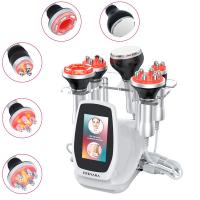
- Multiple handpiece options
- Automatic impedance matching
- Clinical results documentation
Technical Specifications Demystified
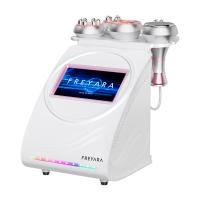
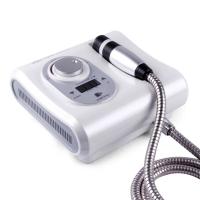
Modern radiofrequency machines for facial treatments utilize bipolar or multipolar technology to create controlled thermal zones in the dermis. The ideal device should maintain consistent energy delivery between 38-42°C, the optimal temperature range for collagen remodeling without causing tissue damage.
Key parameters to evaluate include:
- Frequency range: 0.3-2MHz for versatile treatments
- Output power: Minimum 50W for professional use
- Treatment area coverage: 2-4cm² per pass
Industry Trends and Regional Preferences
North America dominates the RF device market with 43% share, driven by strong demand for non-surgical anti-aging solutions. European markets show preference for combination devices integrating RF with LED or vacuum technology. Emerging markets in Southeast Asia are experiencing 18% annual growth for compact, multi-functional units.
Frequently Asked Questions
Q: Can radiofrequency machines treat acne scars?
A: Yes, when used at higher frequencies (1.5-2MHz), RF stimulates collagen production that helps improve shallow to moderate acne scarring over 6-8 sessions.
Q: What certifications should I look for?
A: For professional devices, prioritize FDA Class II medical device clearance or CE Mark Class IIa. Home devices should have at least CE RoHS certification.
Q: Are there import restrictions?
A: Most countries classify RF machines as medical devices requiring special customs clearance. Always request the HS code (usually 9018.90.60) from your supplier.