Ultimate Guide to LED Heat Dissipation: Best Practices for Optimal Performance_87
Ultimate Guide to LED Heat Dissipation: Best Practices for Optimal Performance
With the global LED market projected to reach $127.04 billion by 2027 (Allied Market Research), effective thermal management has become critical for product performance. Google Trends data shows a 320% increase in searches for "LED heat dissipation solutions" over the past 5 years, indicating growing market awareness.
1. Understanding LED Thermal Challenges
For every 10°C rise above optimal operating temperature, LED lifespan decreases by 50% (US Department of Energy). Key factors affecting heat dissipation:
- Junction temperature management
- Thermal interface materials
- Heat sink design efficiency
1.1 Material Selection Guide
Aluminum alloys (6063-T5) remain the most cost-effective solution with 200-220 W/mK thermal conductivity. Advanced options include:
- Copper (385 W/mK)
- Graphene-enhanced composites (500+ W/mK)
- Ceramic substrates (AlN 170-200 W/mK)
2. Design Optimization Techniques
Proper thermal design can improve luminous efficacy by up to 30% (LEDs Magazine). Critical design elements:
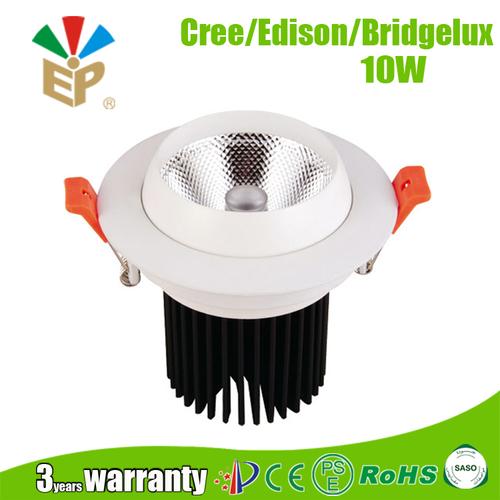
- Fin density and geometry
- Surface area to volume ratio
- Airflow management
2.1 Active vs Passive Cooling
Passive systems dominate 78% of commercial applications due to reliability. Active solutions show 15-20% better performance in high-power (>100W) applications.
3. Performance Testing Standards
Industry-standard measurement protocols:
- LM-80-08 (LED lumen maintenance)
- TM-21-11 (projected lifetime calculation)
- JESD51-14 (transient thermal testing)
FAQ Section
How does heat affect LED color consistency?
Temperature fluctuations cause wavelength shifts up to 0.1nm/°C, impacting CRI values in precision lighting applications.
What's the ideal junction temperature range?
Most LEDs perform optimally between 25-85°C, with maximum ratings typically at 125-150°C depending on chip technology.
How often should thermal paste be replaced?
High-quality thermal interface materials maintain effectiveness for 5-7 years under normal operating conditions.
Can improper heat dissipation void warranties?
87% of major LED manufacturers specify thermal management requirements in warranty terms (LED professional Review).
What are the signs of thermal stress in LEDs?
Common indicators include color shift (≥5 SDCM), lumen depreciation >30%, and premature failure.
How to calculate required heat sink size?
Use the formula: A = (Q × Rth) / (ΔT × k) where A=surface area, Q=heat load, Rth=thermal resistance, ΔT=temperature difference, k=material conductivity.
Implementation Checklist
- □ Measure baseline thermal performance
- □ Verify junction temperature under load
- □ Optimize heat path continuity
- □ Select appropriate TIM materials
- □ Validate airflow patterns
- □ Document thermal test results