Advanced LED Heat Dissipation Solutions for Optimal Performance_7
Advanced LED Heat Dissipation Solutions for Optimal Performance
Introduction
Effective LED heat dissipation is crucial for maintaining optimal performance and extending the lifespan of LED lighting systems. As LEDs continue to dominate the lighting industry, understanding thermal management becomes increasingly important for both manufacturers and end-users. This article explores the science behind LED heat generation, various cooling methods, and how proper thermal management can significantly improve your lighting solutions.
The Science of LED Heat Generation
While LEDs are significantly more efficient than traditional lighting, they still generate considerable heat during operation. Approximately 60-70% of the electrical energy is converted to light, while the remaining 30-40% becomes heat. This heat must be effectively dissipated to prevent performance degradation and premature failure. The junction temperature of an LED directly affects its luminous efficiency, color stability, and operational lifespan.
Importance of Proper Heat Dissipation
Proper LED heat dissipation offers numerous benefits. It maintains consistent light output, prevents color shifting, and can extend the lifespan of LEDs by up to 50%. Effective thermal management also reduces the risk of catastrophic failure and maintains the efficiency of the lighting system. For high-power LED applications, such as street lighting or industrial fixtures, proper heat dissipation is absolutely critical for reliable operation.
Common LED Cooling Methods
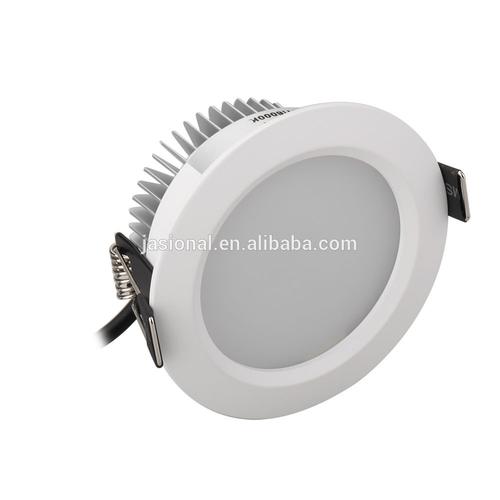
There are several approaches to LED heat dissipation, each with its own advantages. Passive cooling using aluminum heat sinks is the most common solution, offering reliability and no moving parts. Active cooling with fans provides superior cooling capacity for high-power applications. Phase-change materials and heat pipes offer advanced solutions for challenging environments. The choice depends on the specific application requirements, power levels, and environmental conditions.
Choosing the Right Heat Dissipation Solution
When selecting an LED heat dissipation system, consider factors such as the LED power rating, ambient temperature, available space, and desired lifespan. Our company offers a range of thermal management solutions tailored to different applications, from small residential bulbs to large commercial installations. Our expert team can help you select the optimal cooling solution for your specific needs.
Industry Trends in Thermal Management
The LED heat dissipation market is evolving rapidly, with new materials and technologies emerging. Graphene-based heat spreaders, advanced thermal interface materials, and innovative heat sink designs are pushing the boundaries of thermal management. As LED power densities continue to increase, these advanced solutions will become increasingly important for maintaining performance and reliability.
Our LED Heat Dissipation Solutions
We specialize in high-performance thermal management solutions for LED applications. Our product line includes precision-engineered heat sinks, advanced thermal interface materials, and complete cooling systems for various LED configurations. With years of experience in the industry, we can provide customized solutions that meet your exact requirements while ensuring optimal performance and longevity.
Frequently Asked Questions
Q: Why is heat dissipation important for LEDs?
A: Proper heat dissipation maintains light output, color consistency, and extends LED lifespan.
Q: What temperature range is optimal for LEDs?
A: Most LEDs perform best when the junction temperature is kept below 85°C.
Q: How can I tell if my LEDs are overheating?
A: Signs include reduced light output, color shifting, or premature failure.
Q: What's the difference between passive and active cooling?
A: Passive cooling uses heat sinks without moving parts, while active cooling incorporates fans or pumps.
Q: How often should thermal paste be replaced?
A: High-quality thermal interface materials typically last the lifetime of the LED fixture.
Conclusion
Effective LED heat dissipation is essential for maximizing performance and longevity in lighting applications. By understanding the principles of thermal management and implementing appropriate solutions, you can ensure optimal operation of your LED systems. Contact our team today to discuss your specific requirements and discover how our advanced cooling solutions can benefit your projects.