Skin Diagnosis Machine Ultimate Guide 2024: How to Choose the Best Dermatology Analyzer_14
The Complete Guide to Skin Diagnosis Machines in 2024
The global skin analysis devices market is projected to reach $1.2 billion by 2027, growing at 8.3% CAGR (Grand View Research). As skin health awareness rises, professionals and consumers alike seek advanced diagnostic solutions. This guide covers everything from technical specifications to purchasing considerations for skin diagnosis machines.
Skin Diagnosis Machine Buying Guide
When investing in skin analysis equipment, consider these key factors:
| Feature | Professional Models | Consumer Models |
|---|---|---|
| Accuracy | Medical-grade (95-98%) | Consumer-grade (80-90%) |
| Analysis Depth | 7+ skin layers | 3-5 skin layers |
7 Must-Check Features for Professional Skin Analyzers
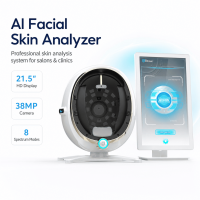
- Multi-spectral imaging capability
- AI-powered analysis software
- FDA/CE certification
Technical Specifications Explained
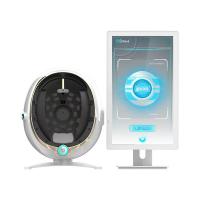
Modern skin scanners utilize:
- UV/Vis spectroscopy (300-700nm range)
- 3D topographic mapping
- Moisture/oil/sebum sensors
Industry Trends and Regional Demand
North America dominates 42% market share, while Asia-Pacific shows fastest growth (11.2% CAGR). New EU regulations require RoHS compliance for all medical aesthetic devices.
Frequently Asked Questions
Q: Can skin diagnosis machines detect skin cancer?
A: While they can identify suspicious lesions, biopsy remains the gold standard for cancer diagnosis.
Q: What certifications should I look for?
A: Prioritize FDA Class II or CE Class IIa medical device certification.