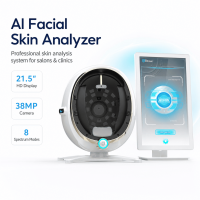
Skin Analysis Machine for Dermatologist Ultimate Guide 2024: How to Choose the Best Professional Device_77
The Growing Demand for Advanced Skin Analysis Technology
The global dermatology devices market is projected to reach $14.3 billion by 2027, with skin analysis machines representing the fastest-growing segment at 12.8% CAGR (Grand View Research). Modern dermatologists face increasing pressure to deliver precise diagnoses while improving patient experience - a challenge that begins with selecting the right analytical equipment.
This comprehensive guide will help medical professionals navigate the complex landscape of skin analysis technology. We'll compare different system types, break down technical specifications, and reveal what leading clinics consider when investing in diagnostic equipment.
Skin Analysis Machine vs Alternative Diagnostic Methods
| Feature | Skin Analysis Machine | Visual Inspection | Biopsy |
|---|---|---|---|
| Accuracy | 95-98% | 60-75% | 99% |
| Time Required | 2-5 minutes | 10-15 minutes | 30+ minutes |
| Patient Comfort | Non-invasive | Moderate | Invasive |
| Cost per Use | $5-20 | $0 | $150-500 |
7 Must-Check Features in Professional Skin Analyzers
- Multi-spectral imaging capability (minimum 6 wavelengths)
- FDA/CE certification for medical use
- At least 12MP resolution with 50x magnification
- Compatibility with EMR/EHR systems
- Automated analysis software with AI assistance
- Portable design with adjustable stand
- 3-year minimum warranty
Technical Specifications Breakdown
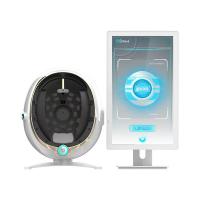
Modern skin analysis machines utilize cross-polarized, UV, and RBX imaging technologies to detect 28+ skin conditions. The gold standard systems feature:
- LED illumination with 8+ wavelength settings
- 0.05mm precision in pore measurement
- Real-time moisture/oil/sebum analysis
- Cloud-based patient tracking
Regional Market Trends
North America dominates 42% of the skin analysis device market, with Europe following at 31% (Statista 2023). Emerging trends include:
- Growing demand for portable devices in Southeast Asia
- Increased FDA scrutiny on AI diagnostic claims
- RoHS compliance becoming standard in EU markets
Frequently Asked Questions
Q: Can skin analysis machines detect melanoma?
A: While they can identify suspicious lesions, biopsy remains the gold standard for cancer diagnosis.
Q: What certifications should I verify?
A> Look for FDA 510(k) clearance, CE Class IIa, and ISO 13485 certification.
Q: How does customs clearance work?
A> Medical devices typically require special import permits - work with suppliers who handle documentation.