RF Analyzer Ultimate Guide 2024: How to Choose the Best Frequency Measurement Tool_52
The Complete Guide to RF Analyzers: 2024 Buyer's Manual
The global RF test equipment market is projected to reach $4.5 billion by 2027, growing at 5.8% CAGR according to MarketsandMarkets research. As wireless technologies advance, professionals face increasing challenges in accurate frequency measurement, signal interference detection, and spectrum management. This comprehensive guide will walk you through everything from basic functionality to advanced procurement considerations for RF analyzers.
RF Analyzer Procurement Guide
When selecting an RF analyzer, consider these critical factors:
| Feature | Portable Analyzer | Benchtop Analyzer |
|---|---|---|
| Frequency Range | 9kHz-6GHz | 10MHz-26.5GHz |
| Resolution Bandwidth | 1Hz-3MHz | 1Hz-10MHz |
7 Must-Check Features for Industrial RF Analyzers
- Phase noise performance below -110dBc/Hz
- Minimum detectable signal <-160dBm
- Touchscreen interface with spectrum waterfall display
Technical Deep Dive
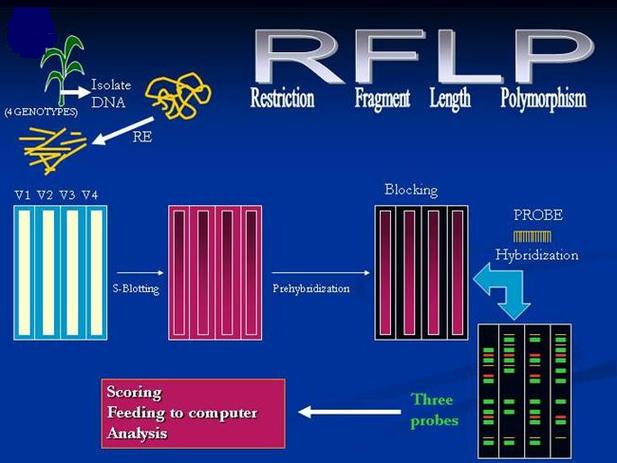
Modern RF analyzers utilize superheterodyne receivers with digital IF processing. The block diagram below illustrates signal path from RF input to digital display:
Key measurement parameters include:
- Dynamic range: Typically 100-120dB
- Amplitude accuracy: ±0.5dB
- Frequency stability: ±0.1ppm
Industry Trends
The European Telecommunications Standards Institute (ETSI) recently updated EN 300 328 regulations for 2.4GHz devices. North America shows strongest demand for 5G NR test capabilities, while Southeast Asian markets prioritize cost-effective solutions for WiFi 6 testing.
FAQ
Q: Can RF analyzers detect Bluetooth signals?
A: Yes, modern analyzers with CCDF measurements can characterize Bluetooth 5.2 signals up to 2.4835GHz.
Q: What certifications should industrial analyzers have?
A: Look for CE, FCC Part 15, and MIL-STD-810G compliance for rugged environments.