Radiofrequency Machine Ultimate Guide 2024: How to Choose the Best Skin Rejuvenation Device_94
The Growing Demand for Radiofrequency Technology
The global radiofrequency aesthetic devices market is projected to reach $1.2 billion by 2027, growing at 12.3% CAGR according to Grand View Research. As consumers increasingly seek non-invasive skin tightening solutions, radiofrequency machines have emerged as the gold standard for collagen stimulation without surgery.
However, selecting the right RF machine presents significant challenges. Buyers must navigate technical specifications, safety certifications, and varying treatment protocols while distinguishing between medical-grade and consumer devices. This comprehensive guide will walk you through every consideration for making an informed purchase decision.
Radiofrequency Machine vs Alternative Technologies
| Technology | Depth | Downtime | Results Timeline |
|---|---|---|---|
| Radiofrequency | 4-5mm | None | 2-6 weeks |
| Ultrasound | 4.5mm | Mild redness | 3 months |
| Laser | 1-2mm | 3-5 days | Immediate |
7 Must-Check Features for Professional RF Machines
- Dual frequency capability (0.5-2MHz)
- Temperature monitoring sensors
- FDA/CE medical device clearance
- Adjustable energy output (5-200W)
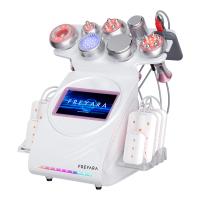
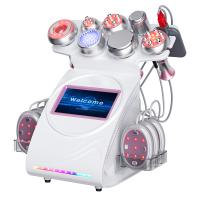
- Multiple handpiece options
- Automatic impedance matching
- Treatment protocols for different skin types
Technical Specifications Breakdown
Modern radiofrequency machines utilize bipolar or multipolar configurations to create controlled thermal zones in the dermis. The ideal device should offer:
- Frequency range: 300kHz-2MHz for versatile treatments
- Precision temperature control (±0.5°C)
- Real-time skin impedance monitoring
- Programmable treatment algorithms
Regional Market Trends
North America dominates 42% of the professional RF device market, while Asia-Pacific shows the fastest growth at 18% annually. New EU MDR regulations require stricter clinical validation for aesthetic devices entering European markets.
Frequently Asked Questions
Q: Can radiofrequency machines treat body areas?
A: Yes, larger applicators can effectively address abdomen, thighs and arms when using appropriate energy settings.
Q: What certifications should I verify?
A: Look for FDA 510(k), CE Class IIa, and ISO 13485 compliance for medical devices.
Q: How to handle customs clearance?
A: Professional machines require HS code 9018.1990 and typically involve 3-5% import duty in most countries.