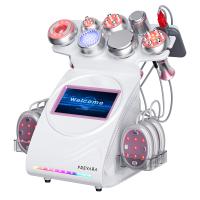
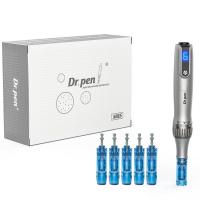
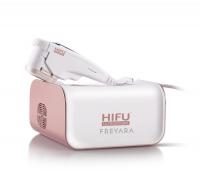
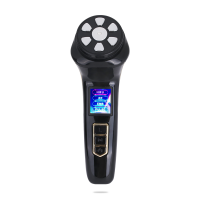
Radiofrequency Cavitation Machine Ultimate Guide 2024: How to Choose the Best Body Sculpting Device_84
Introduction: The Growing Demand for Non-Invasive Body Contouring
The global radiofrequency cavitation machine market is projected to reach $1.2 billion by 2027, growing at 8.3% CAGR (Statista 2023). As consumers increasingly seek non-surgical alternatives to liposuction, these devices have become essential tools for both aesthetic clinics and home users. This comprehensive guide will help you navigate the complex landscape of radiofrequency cavitation technology, compare different models, and make informed purchasing decisions.
Purchasing Guide: Finding Your Perfect Machine
Radiofrequency Cavitation vs Alternative Technologies
| Feature | RF Cavitation | Cryolipolysis | Ultrasound Cavitation |
|---|---|---|---|
| Technology | RF + Ultrasonic | Freezing | Ultrasonic only |
| Treatment Time | 30-45 min | 60 min | 40-50 min |
| Downtime | None | Possible redness | None |
| Best For | Fat reduction + skin tightening | Stubborn fat | Localized fat |
7 Must-Check Features for Professional Cavitation Machines
- Dual-frequency technology (40kHz/25kHz)
- Adjustable RF power (5-200W)
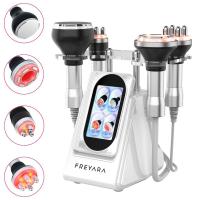
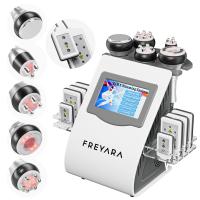
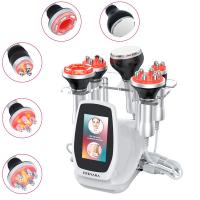
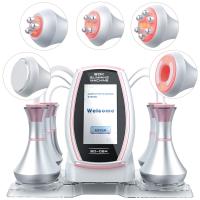
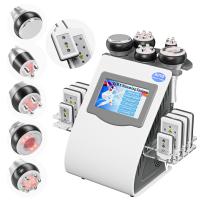
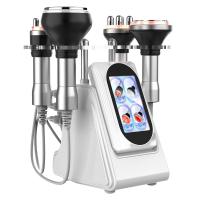
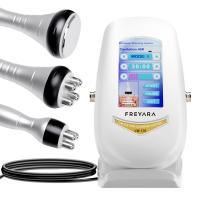
- Multiple handpiece options
- Thermal protection system
- FDA/CE certification
- At least 12-month warranty
- Customer support availability
Technical Deep Dive: How Radiofrequency Cavitation Works
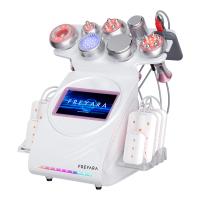
Modern RF cavitation machines combine two technologies: ultrasonic cavitation (creating microscopic bubbles in fat cells) and radiofrequency (heating tissue to 40-45°C). This dual-action approach provides superior results compared to single-technology devices. The optimal treatment parameters should deliver 3-5W/cm² ultrasonic intensity and 1MHz RF frequency for safe, effective fat reduction.
Manufacturing Standards to Verify
- ISO 13485 certification for medical devices
- FDA 510(k) clearance for US market
- RoHS compliance for electronics
- IPX4 water resistance rating
Industry Trends and Regional Preferences
North America currently dominates the market (38% share), with growing demand in Asia-Pacific (projected 9.1% CAGR). European buyers prioritize CE-certified devices with multi-language interfaces, while Middle Eastern clients often require higher power outputs (up to 300W) for deeper tissue penetration. The latest environmental regulations now restrict certain refrigerants in cooling systems, pushing manufacturers toward eco-friendly alternatives.
Frequently Asked Questions
Can radiofrequency cavitation machines treat cellulite?
Yes, when combined with vacuum therapy or massage rollers. The RF energy stimulates collagen production while cavitation breaks down fibrous bands causing dimpling.
What certifications are required for commercial use?
Medical-grade devices need FDA clearance (US) or CE Mark (Europe). Home-use models typically require only basic electrical safety certifications.
How to handle customs clearance?
Provide the HS code 901890 (electro-medical equipment) and ensure proper documentation including certificate of origin, commercial invoice, and packing list. Some countries may require special import permits for medical devices.