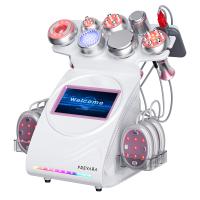
Radiofrequency Cavitation Machine Ultimate Guide 2024: How to Choose the Best Body Sculpting Device_100
Introduction
The global radiofrequency cavitation machine market is projected to reach $1.2 billion by 2027, growing at 8.3% CAGR (Statista 2023). As non-invasive body contouring gains popularity, buyers face critical challenges: identifying genuine medical-grade devices among cheap imitations, understanding technical specifications, and navigating complex import regulations. This comprehensive guide will walk you through essential purchasing considerations, technical breakdowns, and emerging industry trends.
Purchasing Guide
Radiofrequency Cavitation Machine vs Alternatives
| Feature | RF Cavitation | Cryolipolysis | Ultrasound Cavitation |
|---|---|---|---|
| Technology | RF + Ultrasonic | Freezing | Ultrasonic only |
| Downtime | None | Possible redness | None |
| Results Visibility | 3-5 sessions | 8-12 weeks | 6-8 sessions |
7 Must-Check Features for Professional Cavitation Machines
- Dual RF frequency (40.68MHz + 1MHz)
- Minimum 300W power output
- CE/FDA certification
- Adjustable intensity (5-100%)
- Thermal safety cutoff
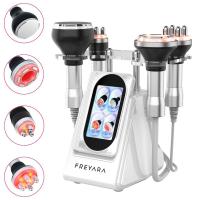
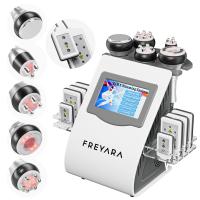
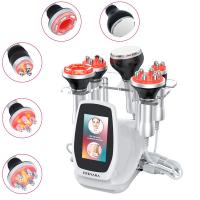
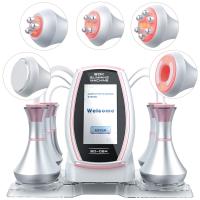
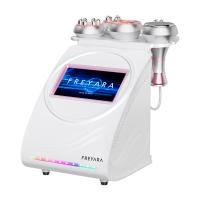
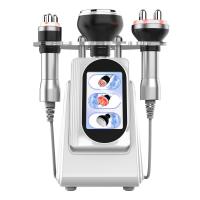
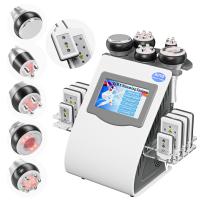
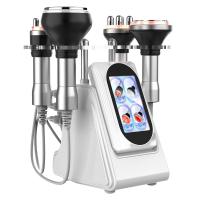
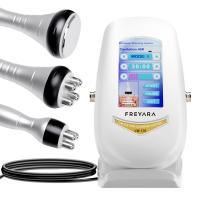
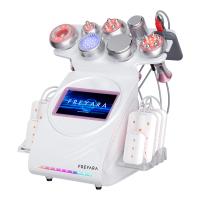
- Multi-handpiece system
- 2-year manufacturer warranty
Technical Specifications
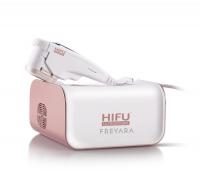
Modern radiofrequency cavitation machines combine 40.68MHz radio waves with 28kHz ultrasonic waves to disrupt fat cells. The optimal temperature range for effective treatment is 42-45°C, monitored through real-time infrared sensors. Leading manufacturers like Pollogen and Lumenis use medical-grade titanium handpieces with 5cm² treatment area for consistent energy delivery.
How Radiofrequency Cavitation Works
The process involves three phases: 1) RF heats subcutaneous tissue, 2) Ultrasonic waves create microbubbles in fat cells, 3) Combined energy ruptures adipocyte membranes, releasing triglycerides metabolized by the liver. Clinical studies show 2-4cm circumference reduction per session when using proper techniques.
Industry Trends
North America dominates 38% market share due to high disposable income and aesthetic awareness. The EU requires MDR 2017/745 certification for commercial devices, while Asian markets show 12% annual growth for home-use models. New eco-friendly models feature 30% energy reduction and lead-free components to meet RoHS directives.
FAQ
Can radiofrequency cavitation treat double chin?
Yes, with specialized small-diameter handpieces (3cm or less). Treatment requires precise 45° angle application at 0.5W/cm² intensity for safety.
What certifications are mandatory?
For EU: CE Medical Device Class IIa. For US: FDA 510(k) clearance. Always request test reports for EMC and electrical safety (IEC 60601-1).
Import considerations?
Commercial devices require HS code 90189020 with 4.7% duty rate. Include original certificates and multilingual manuals for customs clearance.